












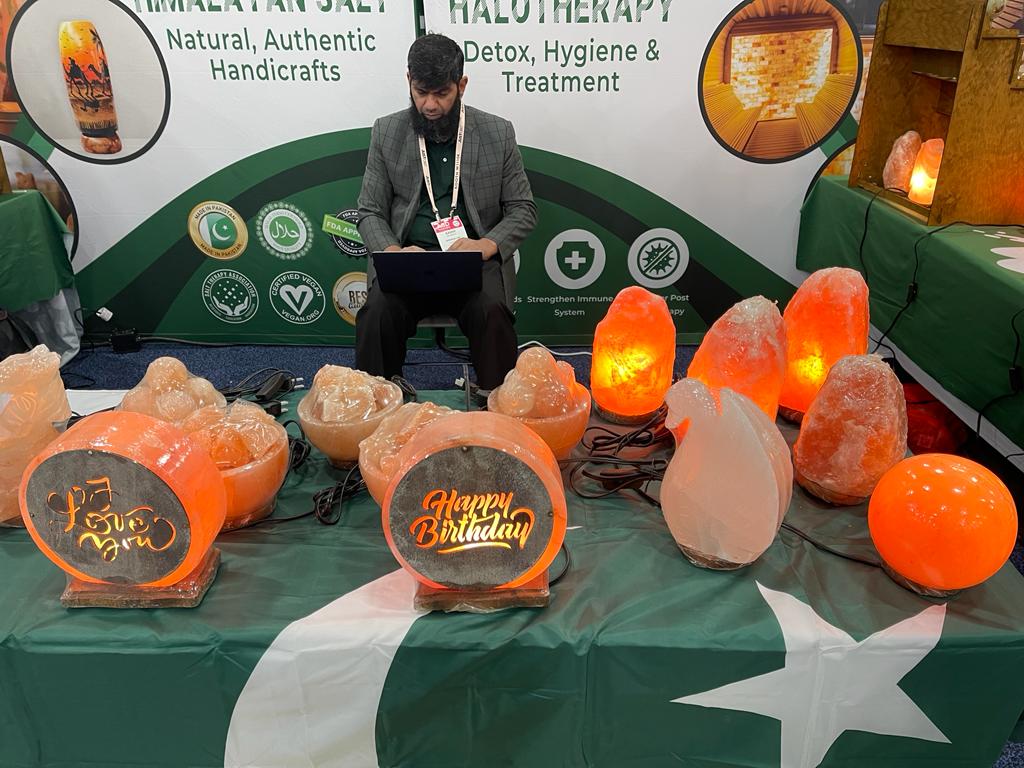

Himalayan Salt
Himalayan Salt from Pakistan: Origins, Craftsmanship and Modern Decor
Aug
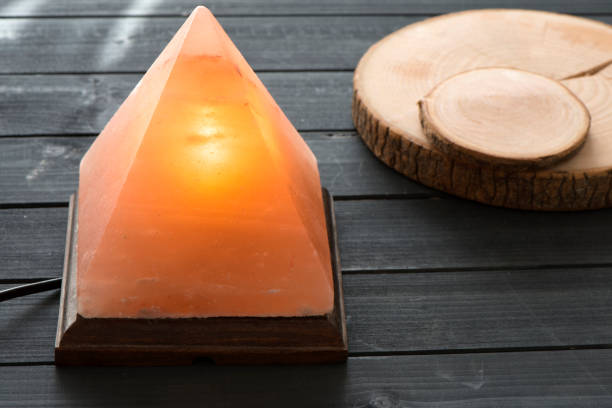
Himalayan salt from Pakistan is easy to recognize in a lamp, but the finished object tells only part of its story. A rough pink surface, a carved edge and a warm light all depend on decisions made before the piece reaches your shelf. The material comes first. The craft gives it a purpose.
For someone choosing a lamp for a living room, a gift collection or a retail display, understanding that journey makes the choice more useful. You can compare shapes, ask better questions about size and appreciate why natural pieces rarely look identical. Here is a practical guide to the material, the people who shape it and its place in a modern home.
Where does Himalayan pink salt come from?
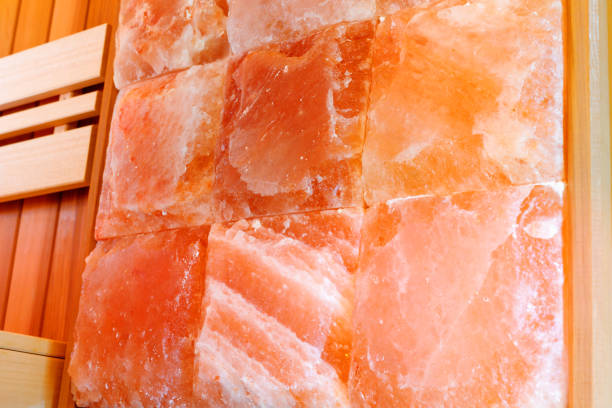
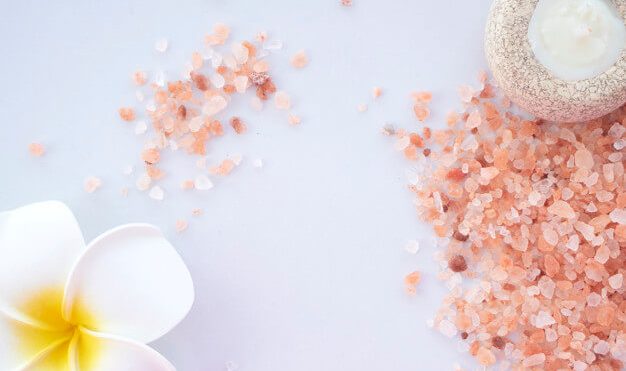
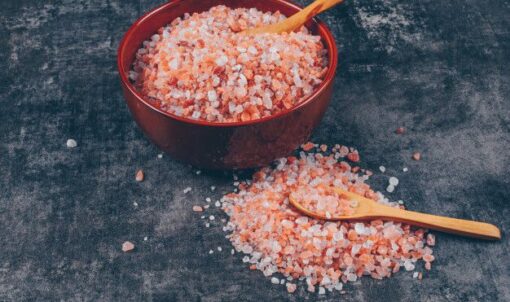
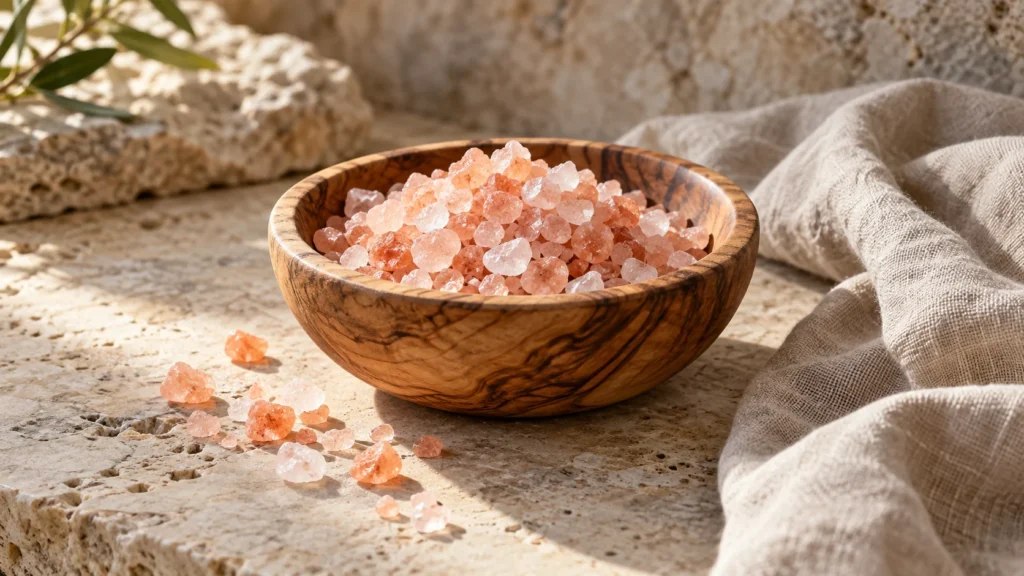
Despite the name, the familiar pink rock salt associated with Pakistan is linked to the Salt Range in Punjab. Khewra is one of the best-known mining locations. The Pakistan Mineral Development Corporation describes its salt deposits as remnants of ancient seabeds and records white, pink and red shades at the mine. Its published figures list 17 mine levels and production of 314,397 tons in 2022/23. PMDC’s mine profile gives the original figures and reporting period.
Those numbers describe a mining operation, not the number of lamps produced or the origin of every lamp sold under the Himalayan name. For a specific product, ask the supplier about its material and sourcing. A regional story is useful context, but it should never replace information about the piece you are actually selecting.
How salt becomes a handcrafted decorative piece
Salt craft starts with choosing a piece that suits the intended object. A natural shaped lamp leaves much of the original outline visible. A geometric lamp requires more deliberate shaping to produce a cylinder, cube or rectangle. Both approaches demand judgment about proportion, stability and the appearance of the finished surface.
For an illuminated piece, the opening for the light fitting and the relationship between the salt body and its base matter just as much as the outside shape. A good buying conversation therefore covers the base, electrical components and suitable light source as well as the stone. The catalogue photograph helps you compare the design, while the product specifications help you decide whether it fits your space.
Handcrafted does not mean every process happens without tools. Cutting, drilling and finishing equipment can support the work. The human contribution lies in selecting material, controlling the form and deciding when the piece is ready. Natural variations remain part of the result.
Natural or carved: which Himalayan salt lamp suits your room?
Choose a natural outline for visible texture
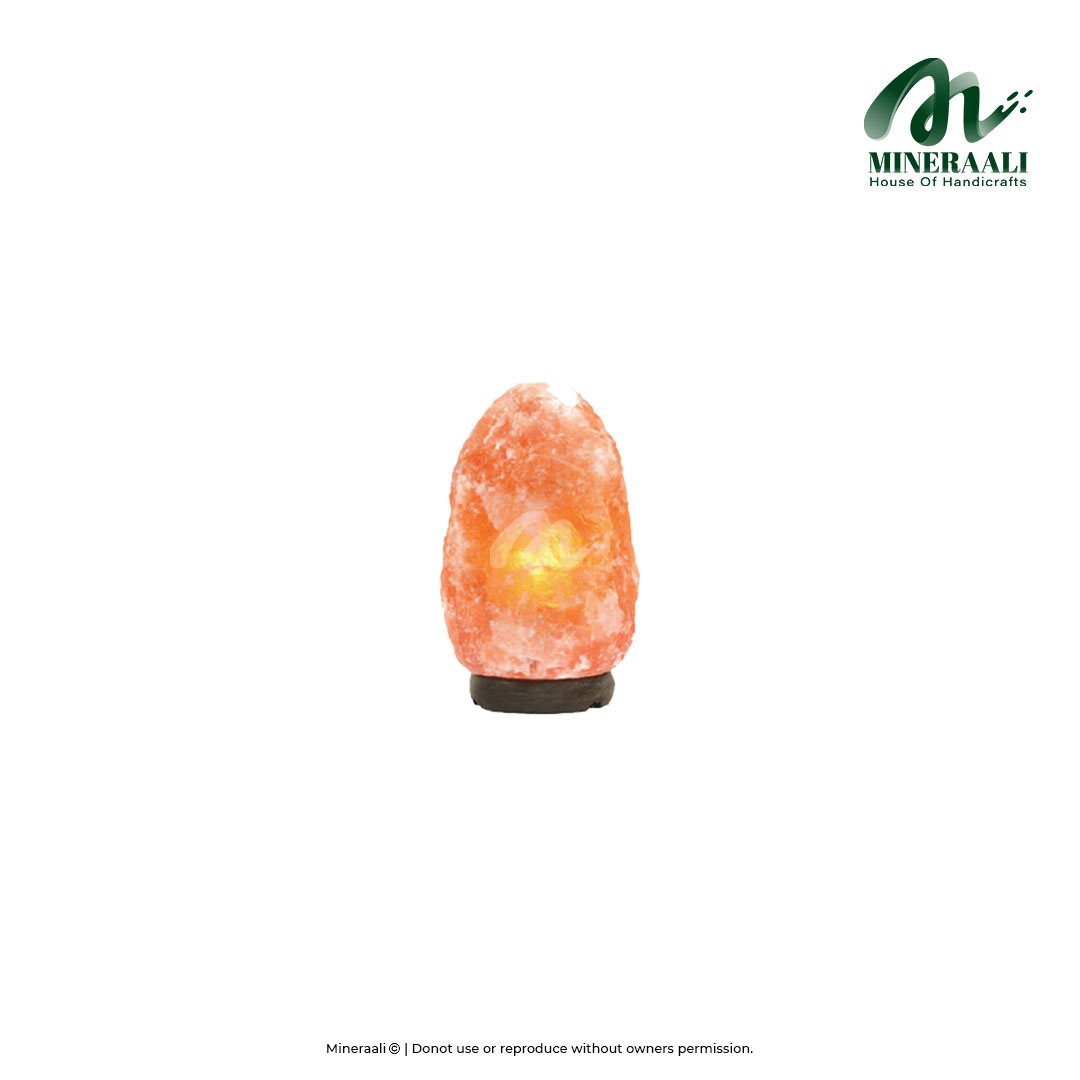
The Himalayan Pink Salt Natural Shaped Lamp works as a starting point if you want an irregular silhouette. Place it where the outline can be seen against a plain wall or alongside simple objects. Too many decorative items around it can make its texture harder to appreciate.
Choose a geometric shape for a more ordered arrangement
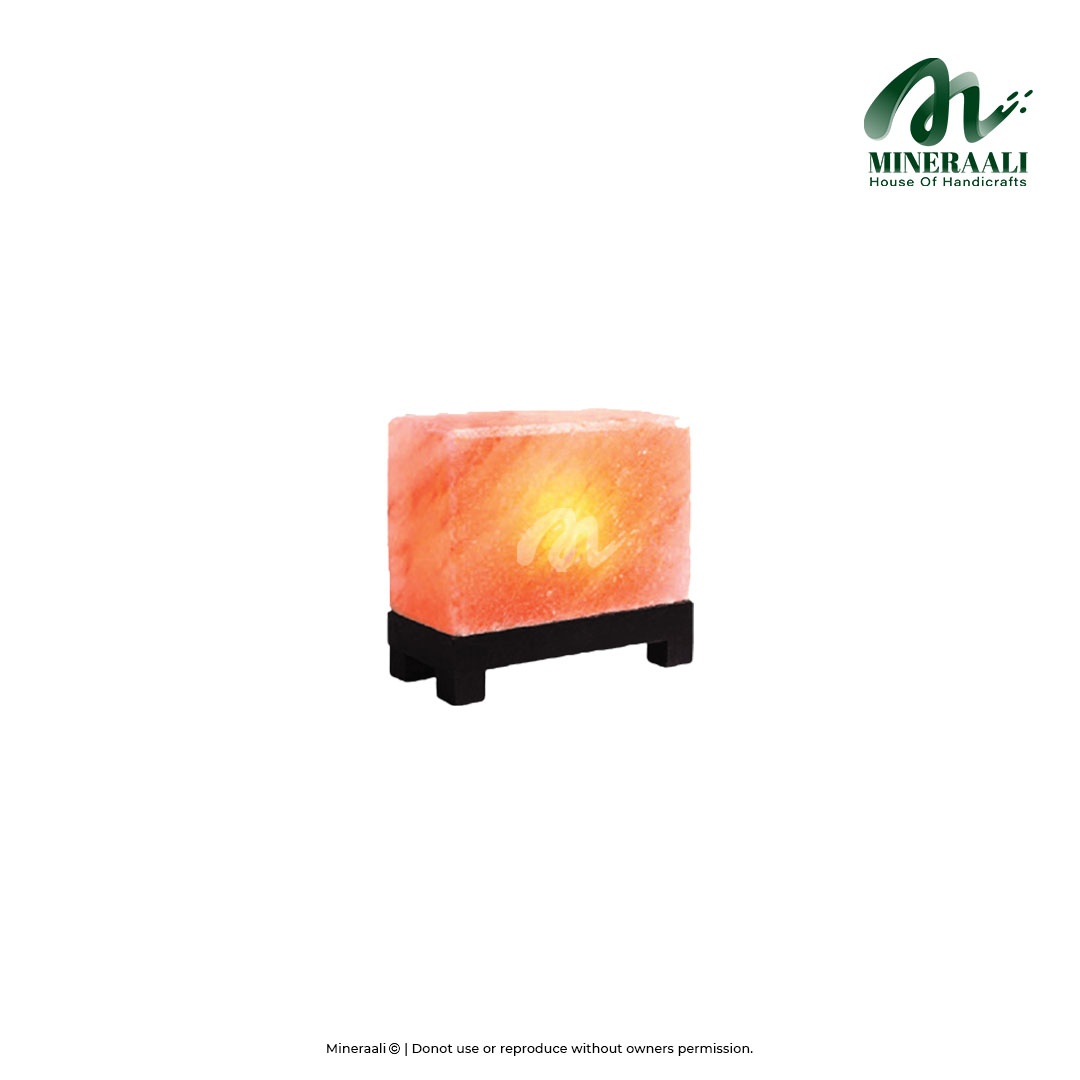
The Himalayan Pink Salt Rectangle Shaped Lamp offers a different visual direction. Its straight-sided form can sit comfortably with a rectangular console, a stack of books or the clean lines of a desk. The carved shape changes the presentation without removing the natural color variation.
Compare dimensions before comparing photographs
A close photograph can make a small lamp look substantial. Check the listed size and weight options, then measure the surface where it will stand. Leave room for the base and cable. If you are selecting several pieces, ask how much variation to expect within the chosen range rather than assuming the pictured item represents an exact match.
How the modern world is adopting Himalayan salt crafts
Salt craft has moved into an everyday design conversation about texture, lighting and natural materials. A single lamp can add a warm point of light to a reading corner, while carved shapes make it easier to introduce salt into rooms with simple furnishings. These are styling possibilities, not a promise that every room needs the same look.
Digital catalogues also change how people discover the work. A customer can compare natural and carved designs before speaking to a supplier. A retailer can build a proposed assortment without relying on a single sample. Designers can consider the piece alongside wood, textiles and stone, using photographs and dimensions to narrow their choices.
The broader trade context shows that physical creative products still have a substantial international audience. UNCTAD’s Data Hub reports global creative goods exports of $709 billion in 2024. That figure covers many product categories, including mass-produced goods. It is not a salt lamp market estimate. It helps place traditional decorative work within a much larger exchange of design-led products.
How Mineraali helps craftsmen reach customers
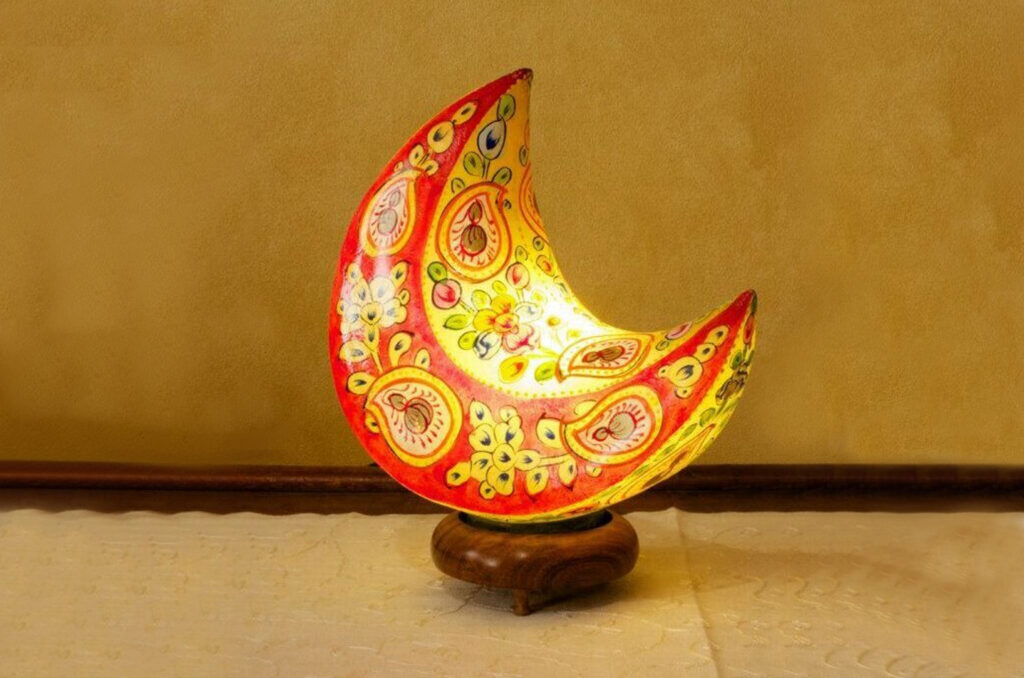
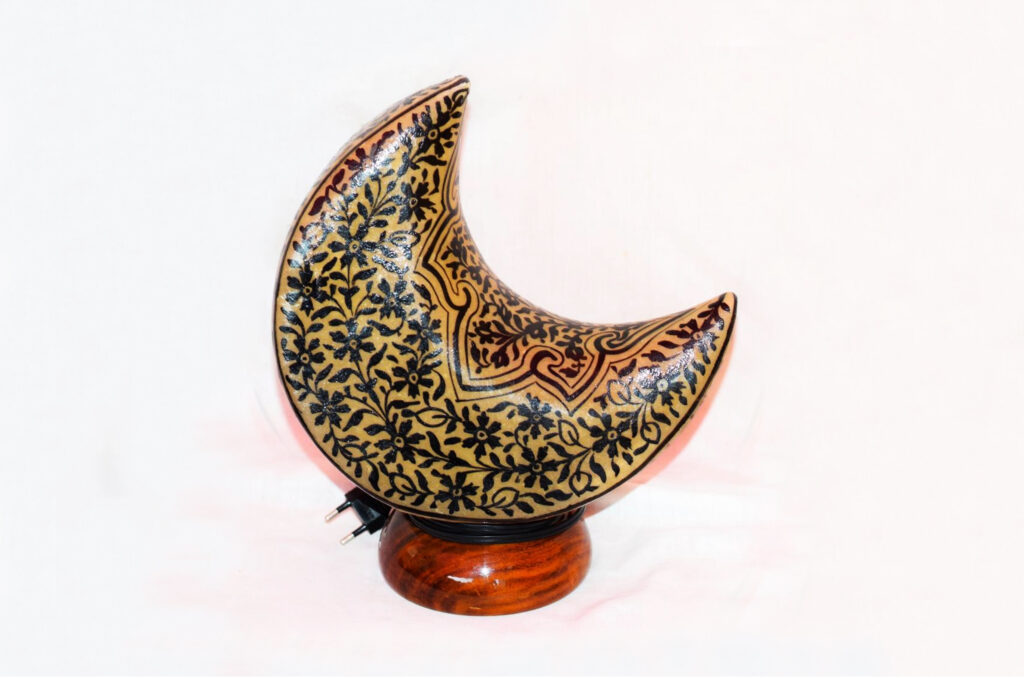
Mineraali gives Himalayan salt craftsmanship a visible place in its Himalayan salt collection. Showing natural and carved forms helps customers see the range of work involved. Product photographs, descriptions and size options turn a craft category into pieces people can compare and discuss.
Its contribution is practical: presenting handcrafted products to an audience beyond the workshop and making enquiries easier to organize. Customers can select products, sizes and quantities and send a combined quote request. That creates a route from interest to a conversation about availability and pricing. Completed orders can help sustain demand for skilled work. A quote request itself is an enquiry, not a payment or a guaranteed order.
Mineraali’s company introduction emphasizes generational craftsmanship and design development. Clear product information gives customers a better starting point and keeps the workmanship visible throughout the buying conversation.
Care, placement and questions to ask
Keep a decorative salt lamp in a dry indoor location and away from splashes. Follow the supplied electrical and cleaning instructions. Unplug the lamp before handling its fitting or cleaning around the base. Use the specified bulb or light source and confirm compatibility with your local power supply before use.
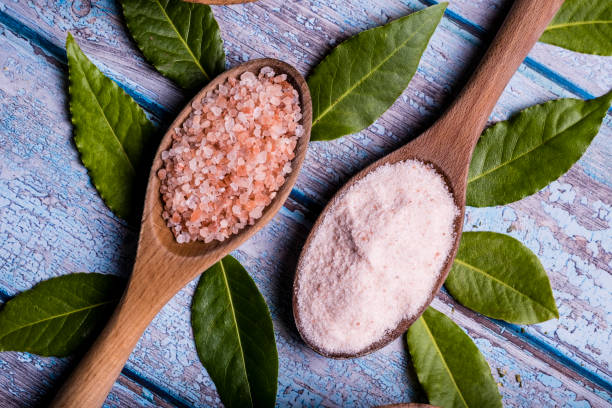
Buy a salt lamp for its appearance and lighting role. Claims that it cleans indoor air or treats a health condition require evidence beyond a product photograph. Decorative salt and food-grade salt also serve different purposes. Do not assume a lamp or ornamental item is suitable for consumption.
Frequently asked questions
Will two Himalayan salt lamps look exactly alike?
Natural material can vary in shade, markings and outline. Ask about the variation expected for your selected design and size, especially when planning a coordinated display.
Can I request several styles in one quotation?
Yes. Select the available options on each Mineraali product page, add the items to your quote list and review the combined selection on the request a quote page. The team follows up with pricing and availability.
Where should I start browsing?
Start with the natural salt lamp range or the crafted salt lamp range. Choose the silhouette first, then check the dimensions and available options.
Sources and references
- Pakistan Mineral Development Corporation: Khewra Salt Mines, production for 2022/23
- UNCTAD Data Hub: creative trade insights, 2024 data, updated April 2, 2026
- Mineraali: About Us
Sources reviewed October 14, 2026. Statistics retain the reporting periods stated above. Product photographs are from the Mineraali catalogue.
