




















Wooden Handicrafts
Wooden Handicrafts from Pakistan: Carving, Styling and Care
Jul
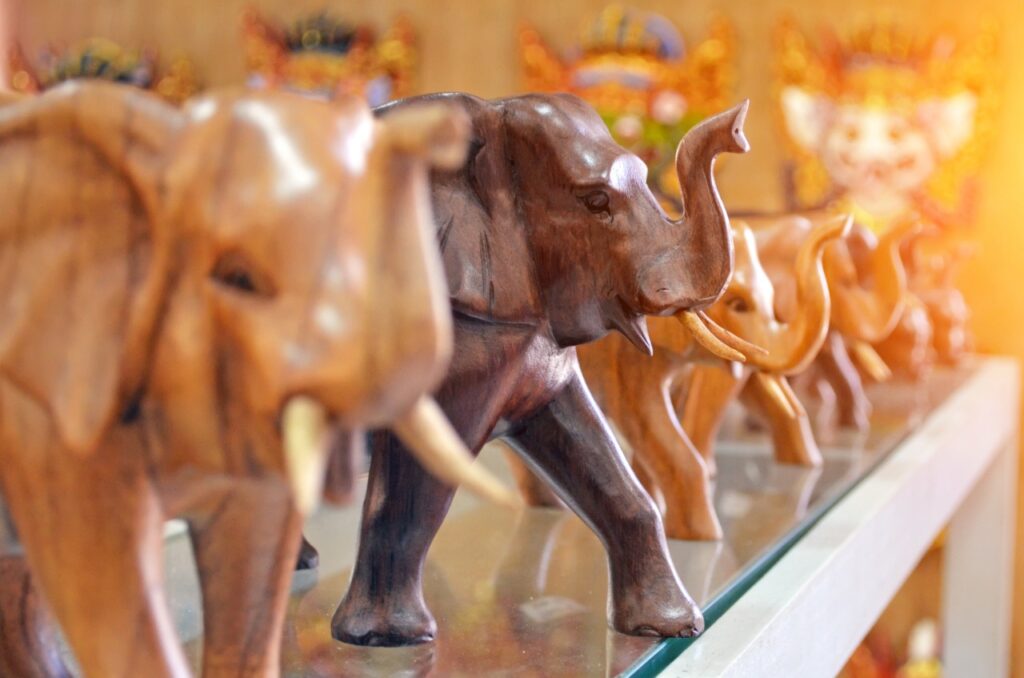
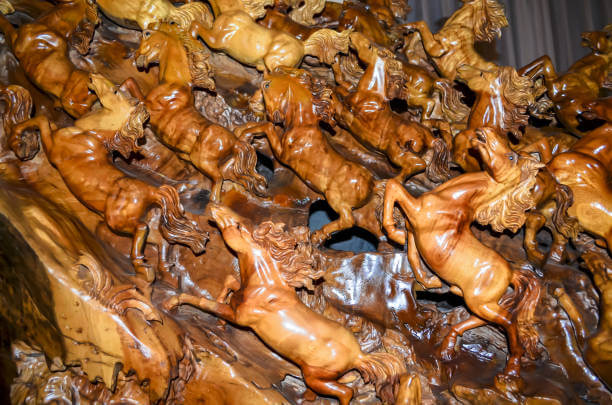
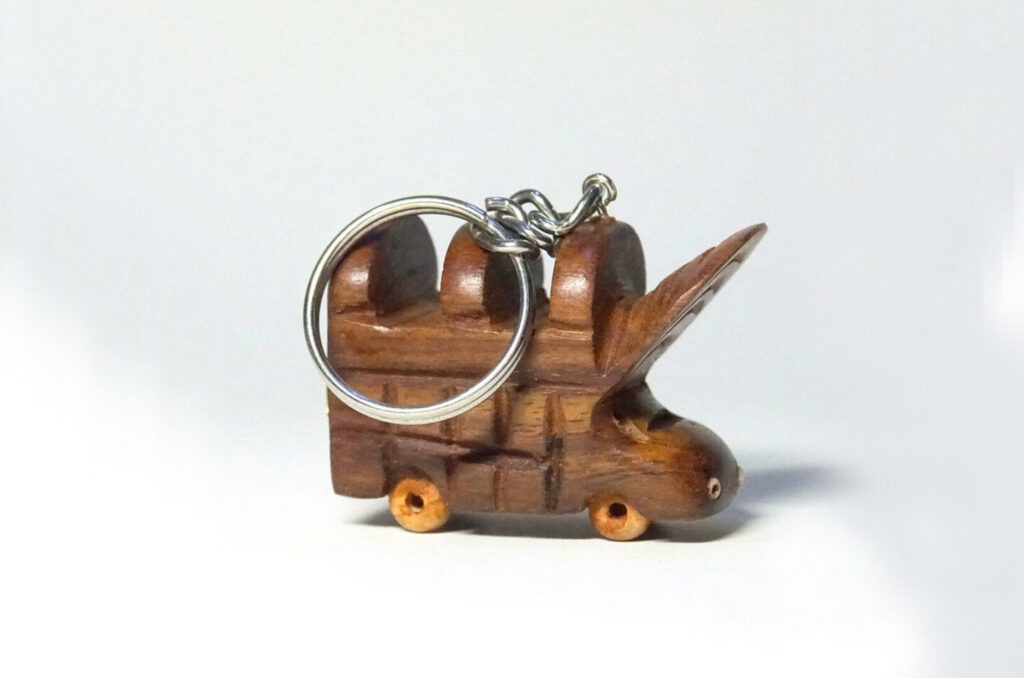
Wooden handicrafts from Pakistan bring two kinds of detail into a room: the pattern of the wood and the shape created by the maker. A carved horse may catch your eye from across the room. Up close, the grain, contours and small changes in the surface become part of its appeal.
Choosing one is partly about design and partly about use. Will it sit on a shelf, stand on a desk or become a gift? Does the scale work beside the other objects around it? This guide looks at the craft tradition, ways to use wooden pieces today and the questions that help you choose with confidence.
Pakistan’s woodworking heritage
Chiniot is one of Pakistan’s recognized woodworking centers. The Government of Punjab’s history of the city links its development as a woodworking center to the Chenab River and the movement of timber from Kashmir. The same source describes a long tradition of carved floral and geometric decoration. That local history helps explain why woodworking belongs to the cultural story of the region, as well as its economy.
Not every Pakistani wooden object comes from Chiniot. A regional craft history should not be mistaken for a sourcing certificate. Ask about the origin and material of a particular item if those details matter to your purchase. A good supplier should distinguish what is known about the product from general background about the craft.
A material with a large modern market
FAO’s 2024 forest products data records $132 billion in exports of secondary processed wood products worldwide. This is a broad category, not a total for wooden handicrafts or Pakistan. It shows that wood continues to have a substantial role in finished products traded internationally.
For a craft buyer, the useful distinction is between the size of that wider market and the qualities of an individual piece. An export statistic cannot tell you whether a carving has a stable base or whether its finish suits your setting. Those decisions still require product information and inspection. FAO’s data table supplies the original scope and year.
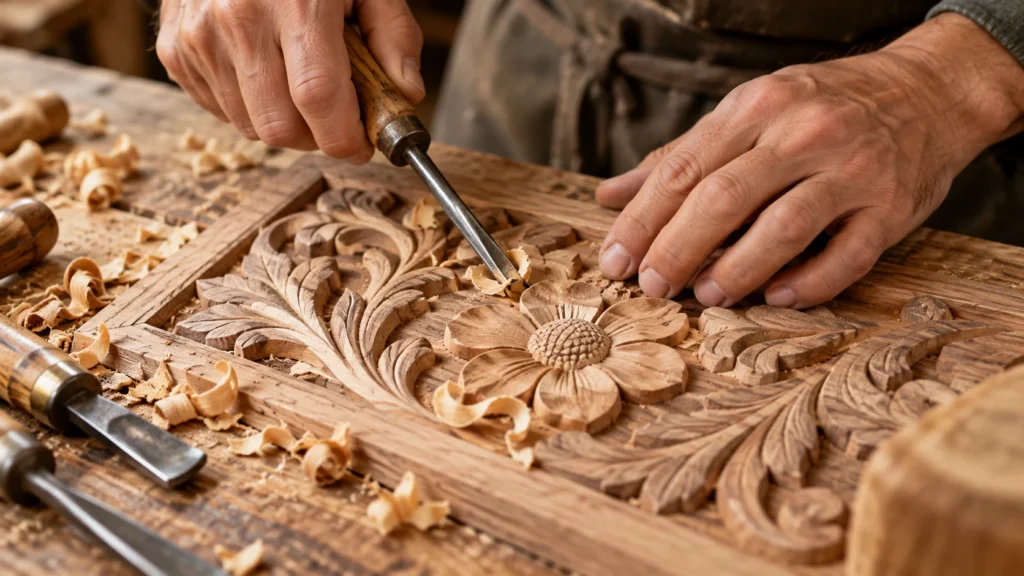
What goes into a carved wooden object?
Planning the form
The maker starts with the relationship between the piece of wood and the intended design. Grain direction, proportions and projecting details all affect the result. An animal’s legs or a miniature building’s narrow features need a different approach from a broad, rounded body.
Developing the shape
Shaping removes material to establish the overall outline, then smaller details make the form readable. A horse needs a recognizable stance. An architectural model needs a balance between simplified construction and visible identifying features. The maker decides which details matter at the object’s final size.
Finishing the surface
The surface changes how you experience the carving. A smooth area shows the grain differently from a textured one. Finishes also vary, so ask what has been applied and how to maintain it. Do not assume that a dark tone identifies a particular wood species, or that every wooden object carries the same coating.
Two ways to explore Mineraali’s wooden handicrafts
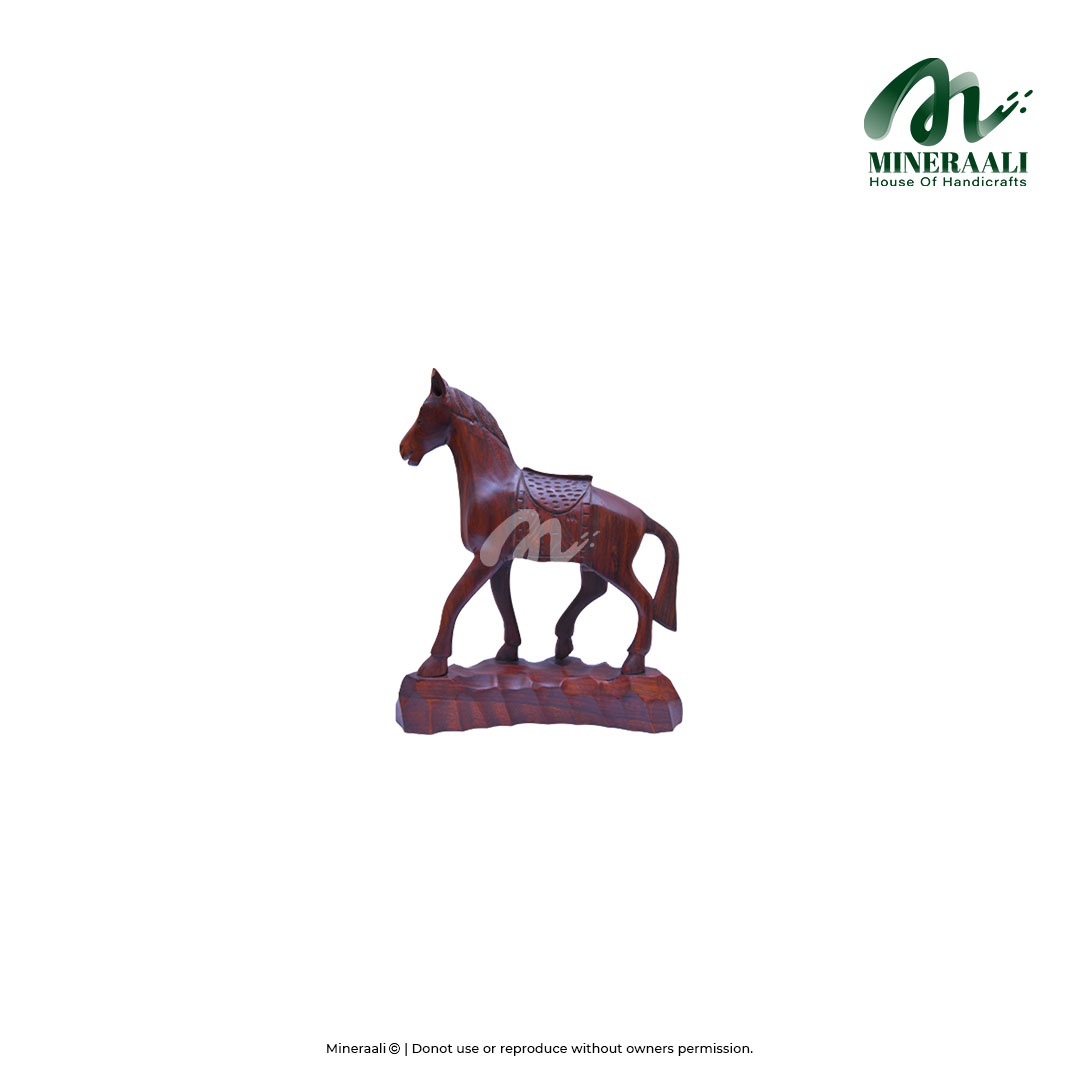
The Hand Crafted Wooden Horse With Saddle is a useful example for someone interested in animal figures. Its subject is familiar, so the eye quickly reads the shape. On a bookshelf, it can sit beside a few books and a plain ceramic object without requiring a complete theme.
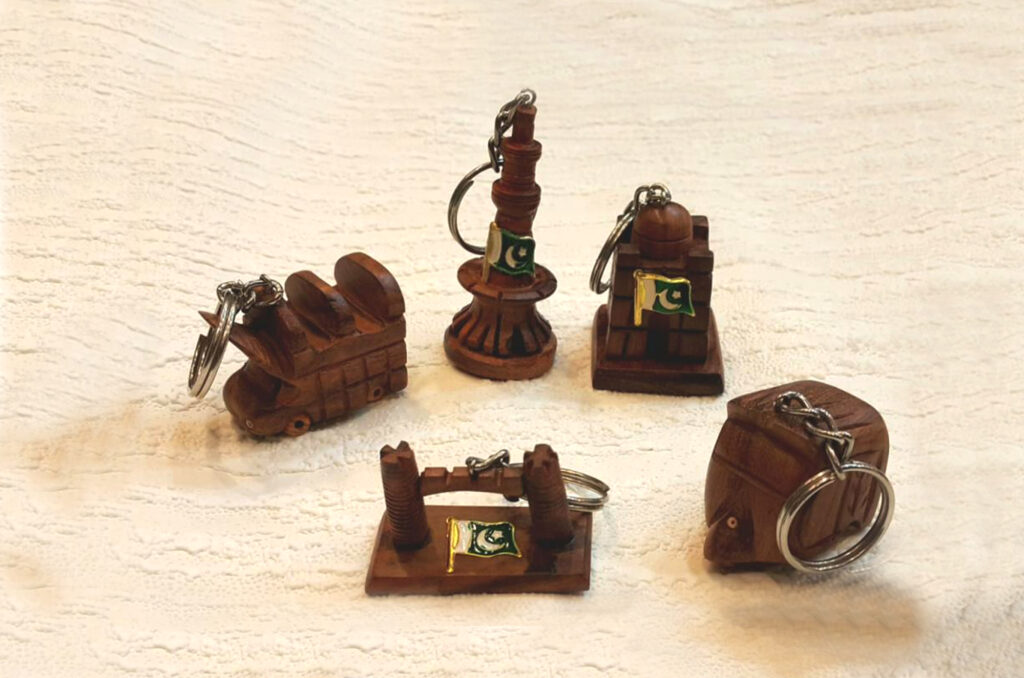
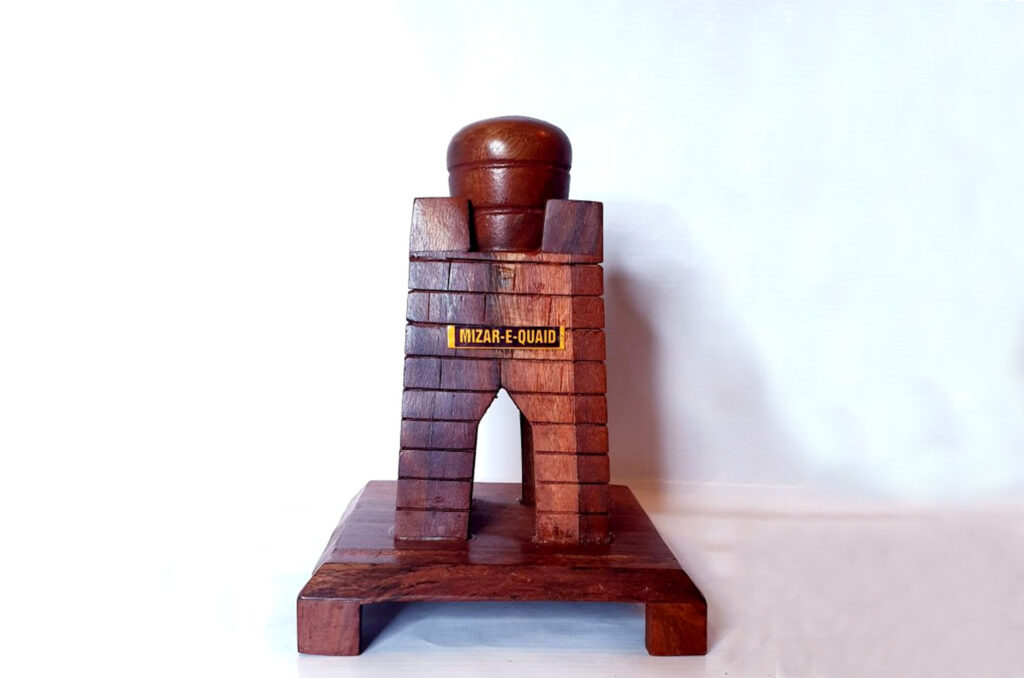
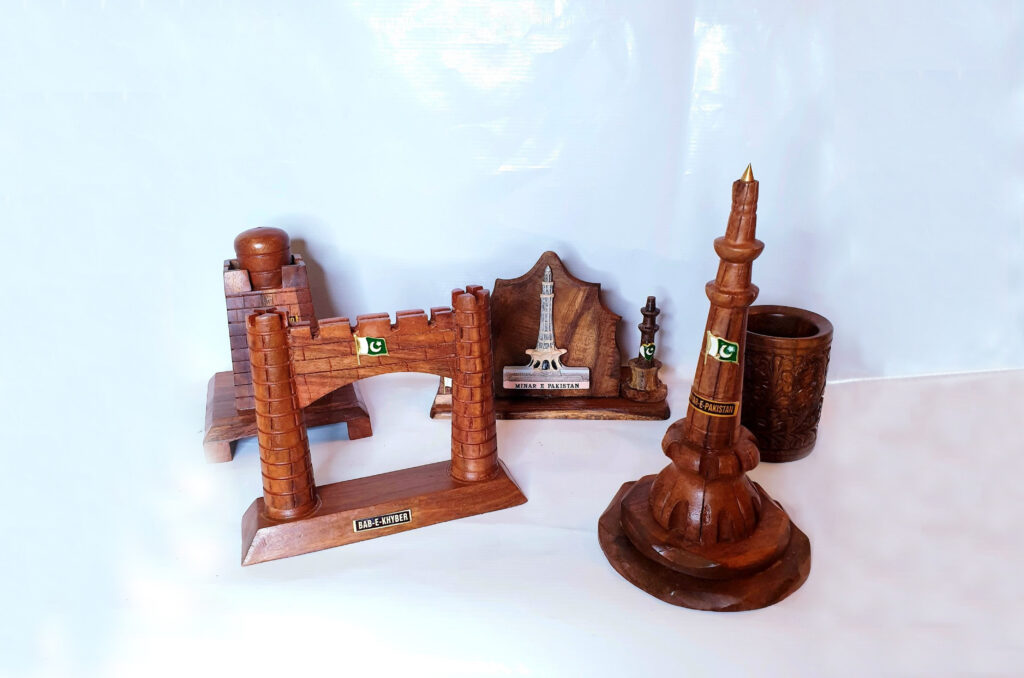
For an architectural subject, look at the Hand Crafted Wooden Badshahi Mosque. A monument model invites a different kind of attention. It can become a conversation piece about a place, a memory or an interest in architecture. Check its listed dimensions and available options before choosing a display surface.
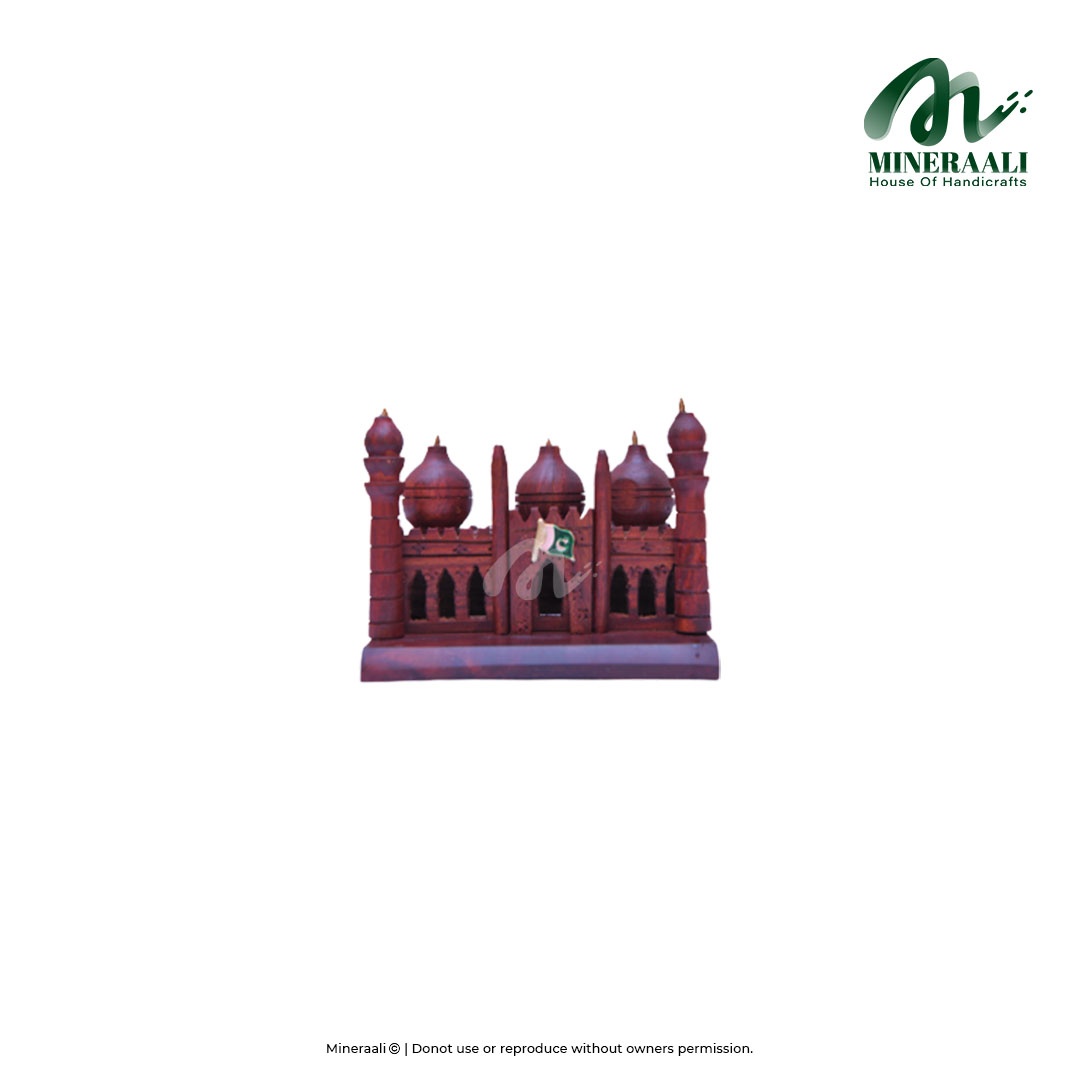
You can compare more subjects in the wooden animal crafts and wooden monuments ranges. The individual product page is the place to confirm options. Photographs show the design, but the specification helps you plan the fit.
How the modern world is adopting wooden handicrafts
One practical approach is to combine a carved piece with furniture that has simple lines. A wooden figure adds an organic surface to a room without needing a matching carved cabinet. A small architectural model can work on a desk or console where there is room to notice the details.
Another approach is gifting. A horse, an animal figure or a monument can reflect the recipient’s interests more directly than a generic decoration. The choice becomes more personal when you explain why you selected the subject and include care information. A gift should also fit the space the recipient actually has.
Retail and online discovery give these objects a wider audience. Customers can compare several silhouettes, read dimensions and build a proposed selection before requesting prices. This changes the route to the buyer while leaving the physical making process important. Clear photography helps people discover a carving. Good product information helps them decide whether to request it.
Styling wooden pieces without crowding the room
- Give a detailed carving a plain background so its outline remains clear.
- Use different heights when pairing it with books or other decor.
- Leave space around projecting features and avoid unstable shelf edges.
- Compare the wood tone with nearby furniture, but do not worry about an exact color match.
- Use one larger object or a small group rather than filling every available surface.
For a retail display, let customers see the object from more than one angle. A side view can reveal proportion that a front photograph misses. Include dimensions on the display so buyers do not have to guess.
How Mineraali is helping wood craftsmen
Mineraali gives wooden craftsmanship a dedicated collection, with animal subjects, monuments and other forms organized for browsing. That presentation helps customers recognize the work as a design choice for today’s spaces. It also gives them a route to request a specific piece rather than making a vague enquiry about wooden gifts.
The company’s stated approach combines generational skills with design development. Its quote model supports the commercial conversation around that work. Customers select available options and quantities, then ask the team about pricing and availability. A retailer can include wooden pieces alongside other craft materials in one combined request.
This helps connect the craft to potential demand. Completed orders can support the continuation of skilled work, while accurate descriptions help customers value the technique. If a specific wood species, source or certification matters to your project, include that requirement in your enquiry. Clear expectations help customers and suppliers discuss the right product.
Care for wooden handicrafts
Start with the supplier’s instructions for the finish on your item. For routine dusting, use a soft, dry cloth and a gentle brush around detailed areas. Keep decorative carvings away from standing water, prolonged direct sunlight and strong heat sources. These simple placement choices reduce unnecessary stress on the material.
Do not add oil, polish or household cleaner without checking that it suits the existing finish. Lift the piece by a substantial part of its body or base rather than a projecting detail. If it needs to travel, protect narrow features and prevent movement inside the package.
Frequently asked questions
Are all wooden handicrafts made from the same wood?
No. Confirm the species and finish for the individual product. Appearance alone is not a reliable way to identify either.
Are decorative wooden pieces suitable for food use?
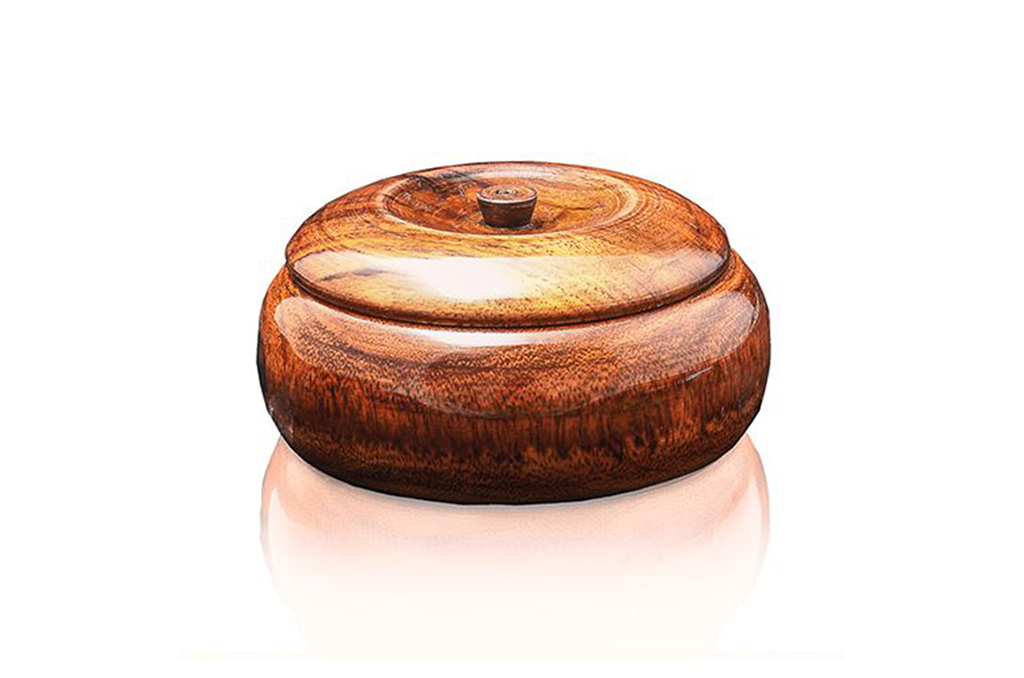
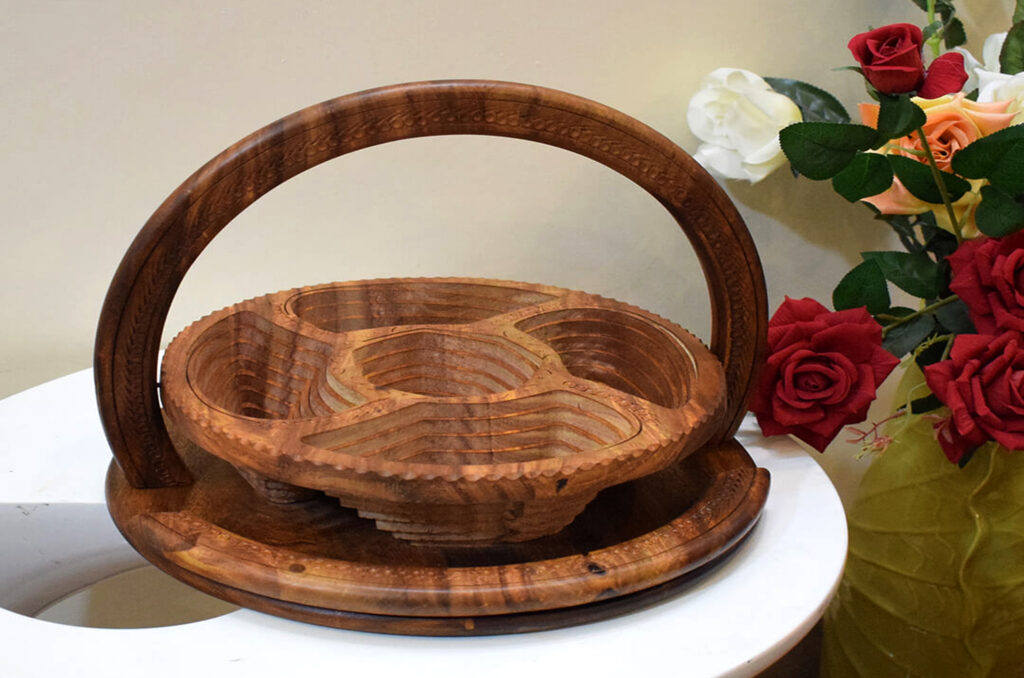
Do not assume so. A decorative carving and a product intended for food contact have different requirements. Ask for confirmation of the intended use and finish.
How do I request prices for several wooden designs?
Browse Mineraali’s wooden crafts collection, select available options and quantities, and review your list on the quote request page. Include your destination and timing so the team can respond to a defined requirement.
Sources and references
- Government of Punjab: Chiniot history and woodworking heritage
- FAO: Forest Products Statistics, global production and trade in 2024
- Mineraali: About Us
Sources reviewed October 14, 2026. Statistics retain the reporting periods stated above. Product photographs are from the Mineraali catalogue.
