










Pakistani Handicrafts
The Handicraft Industry of Pakistan: Craftsmen, Markets and Modern Homes
Sep
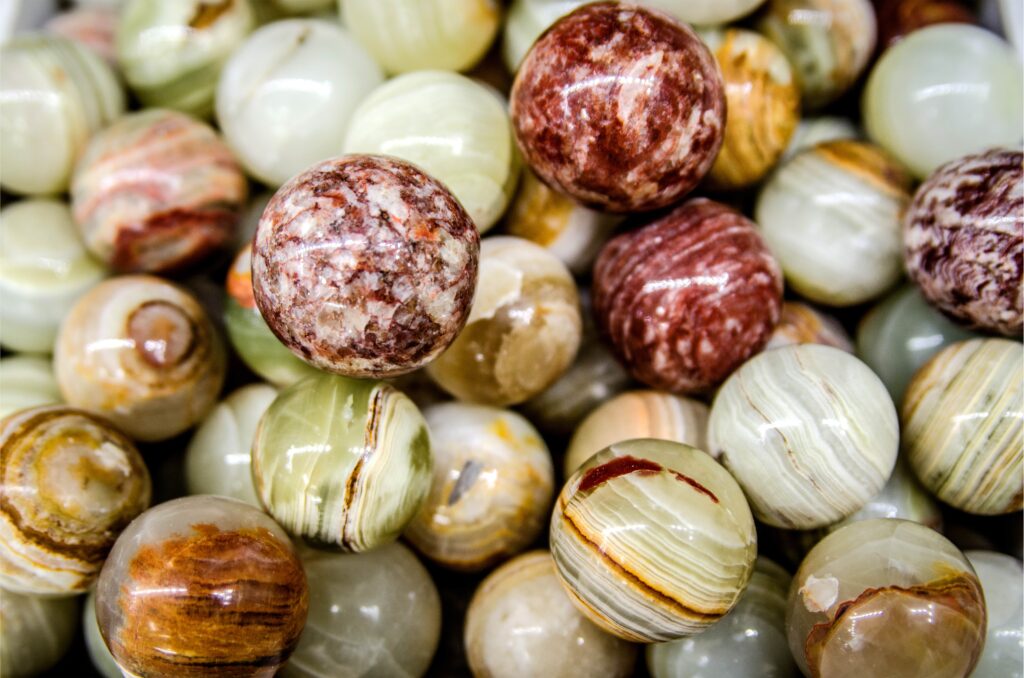
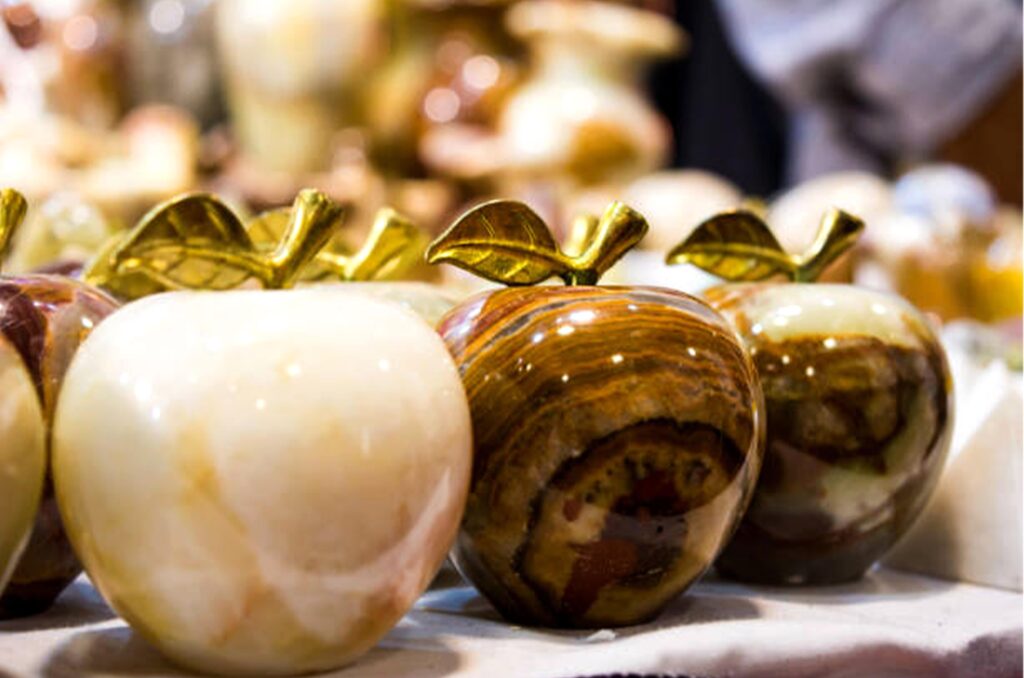
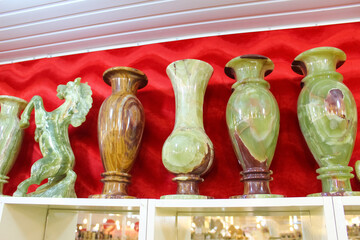
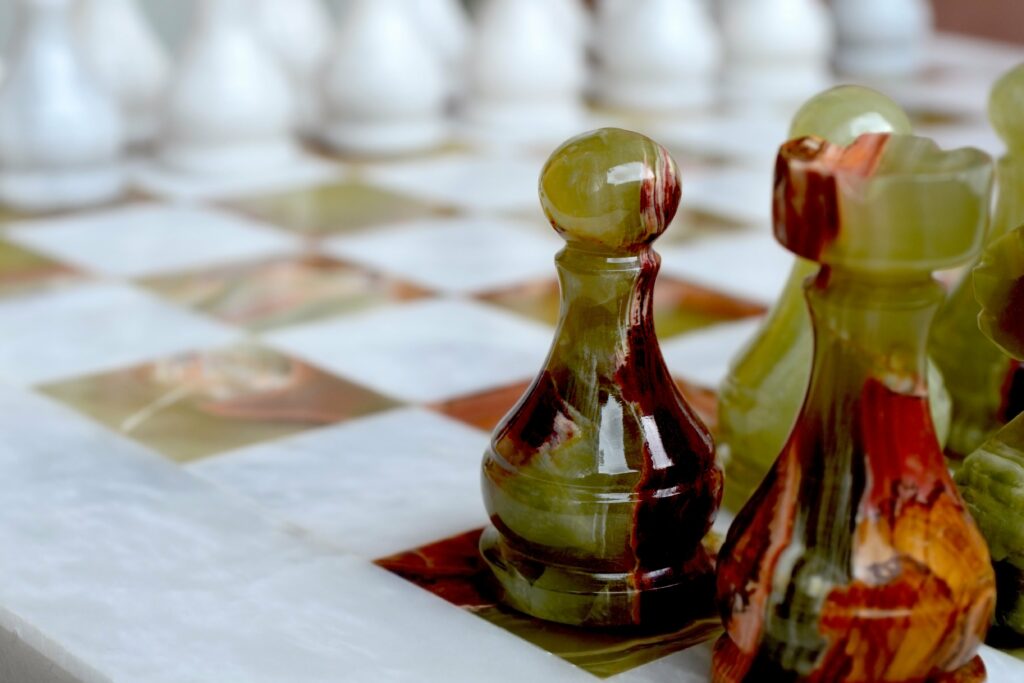
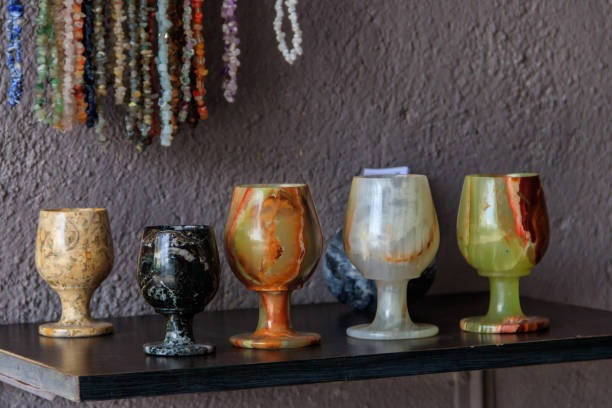
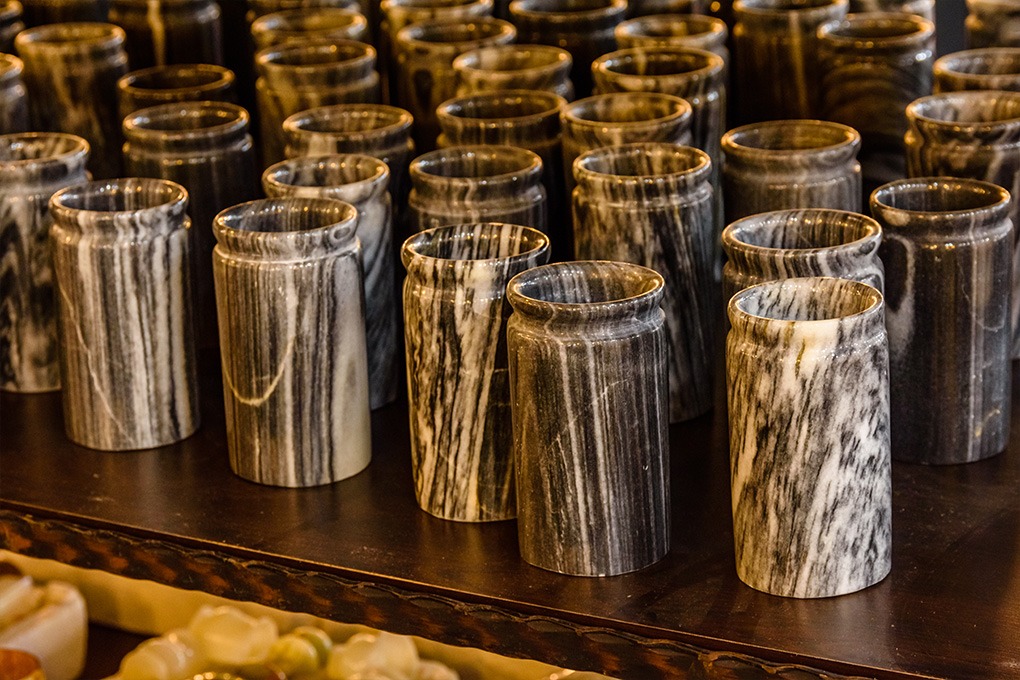
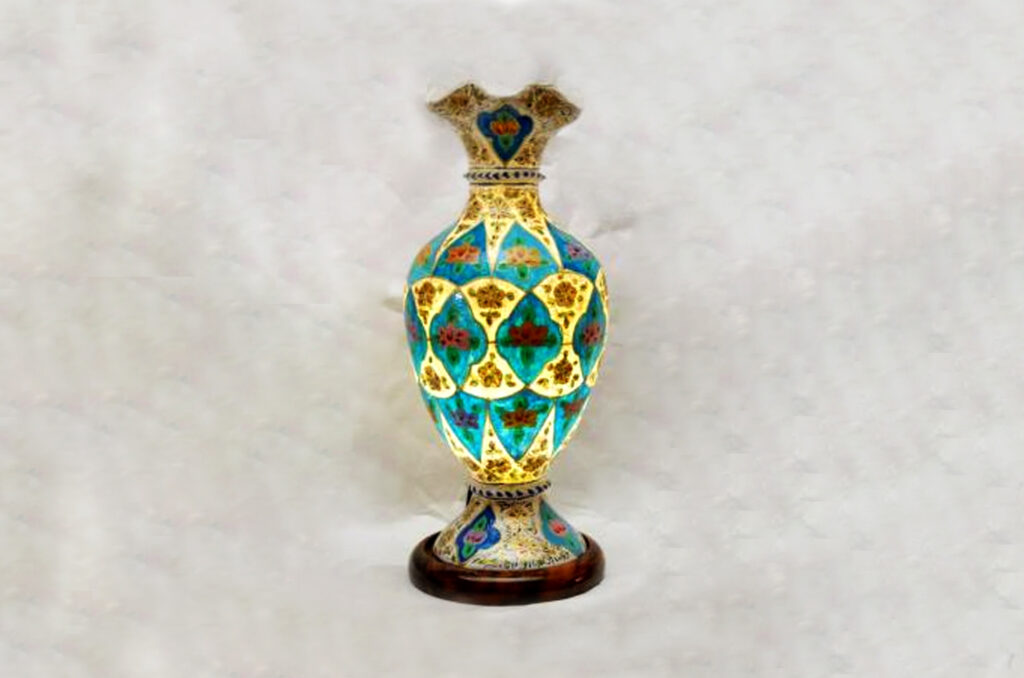
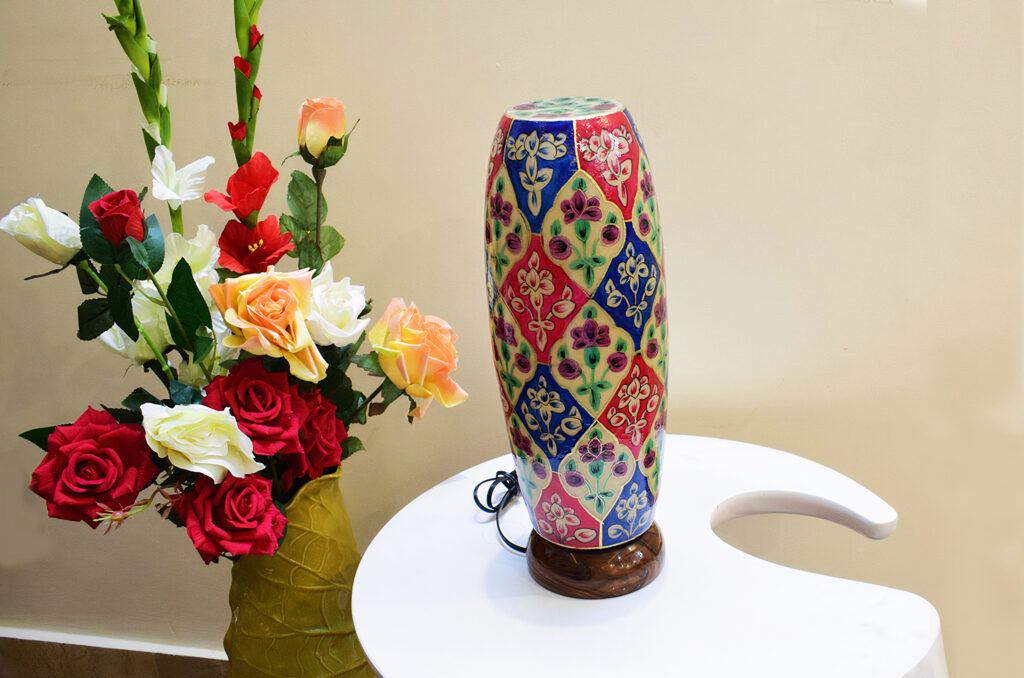
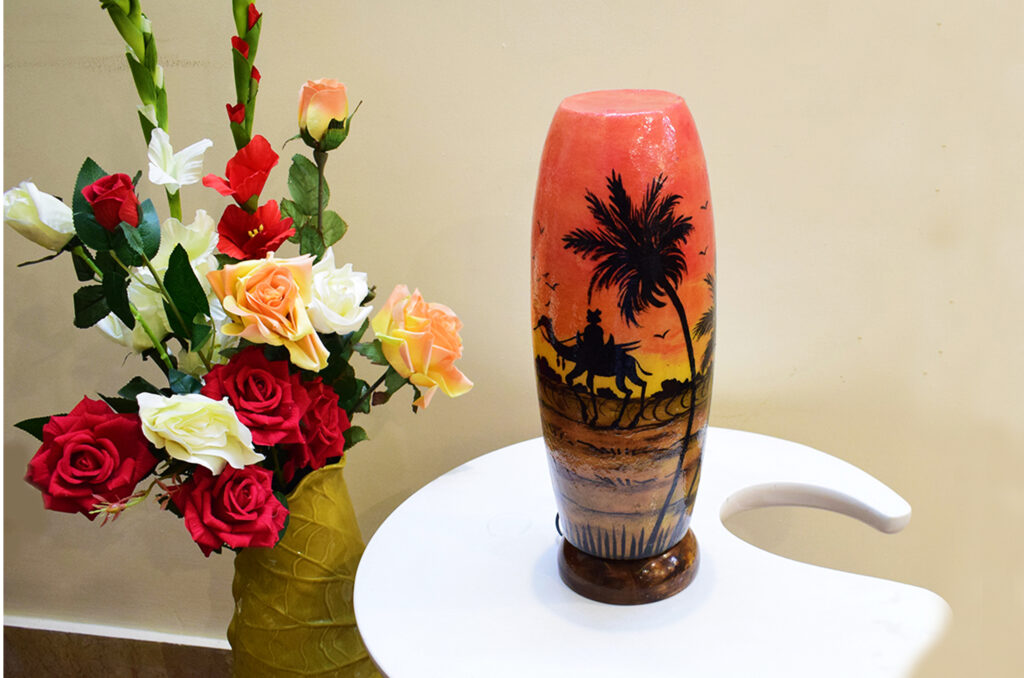
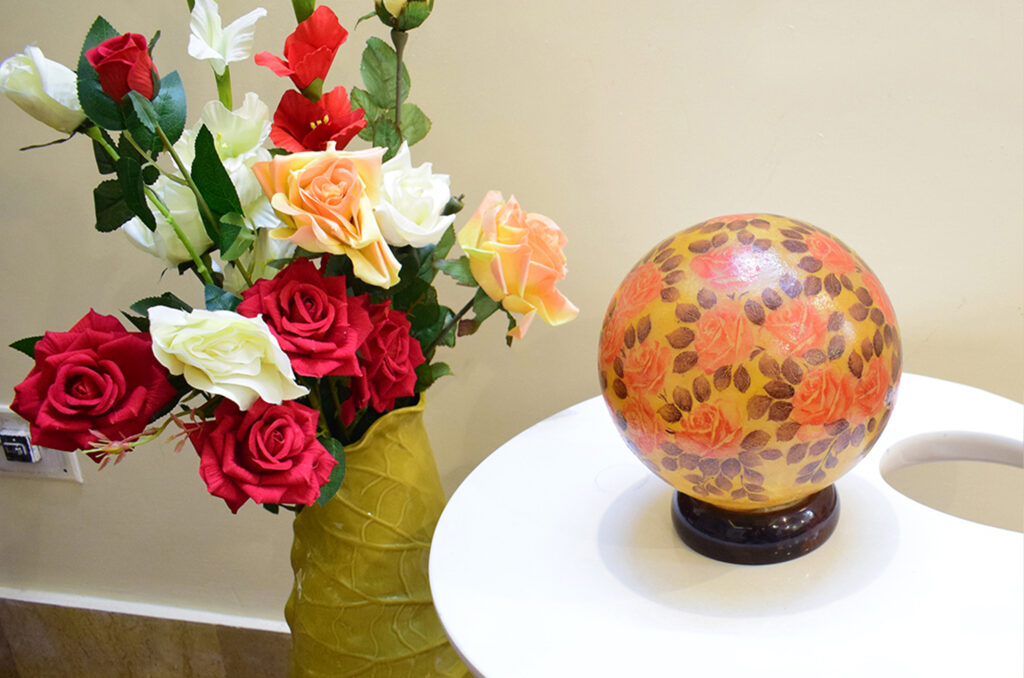
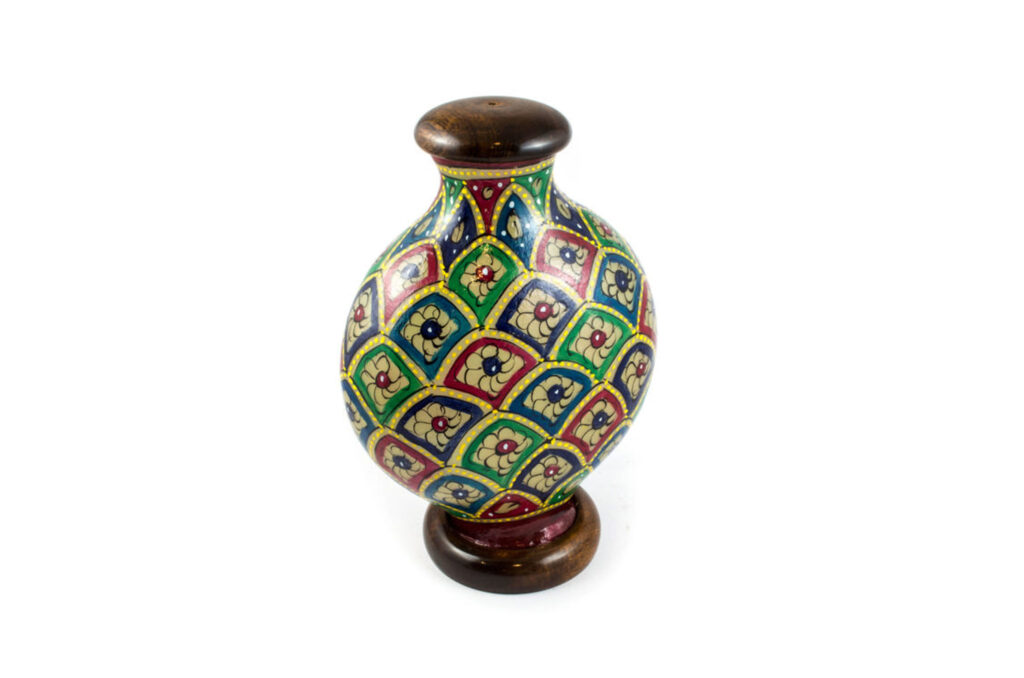
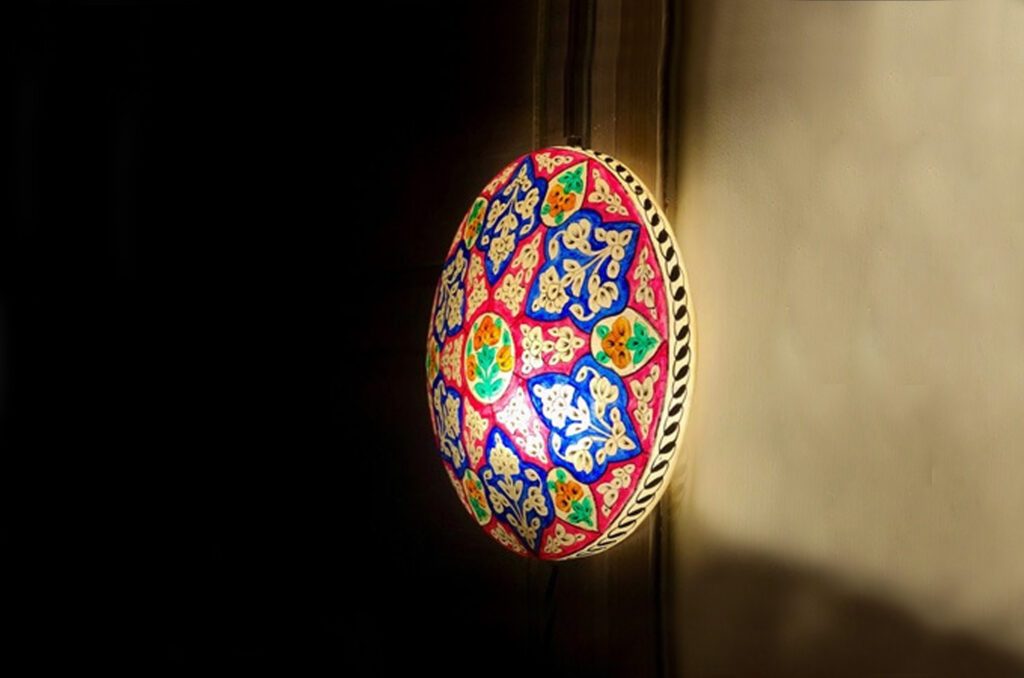
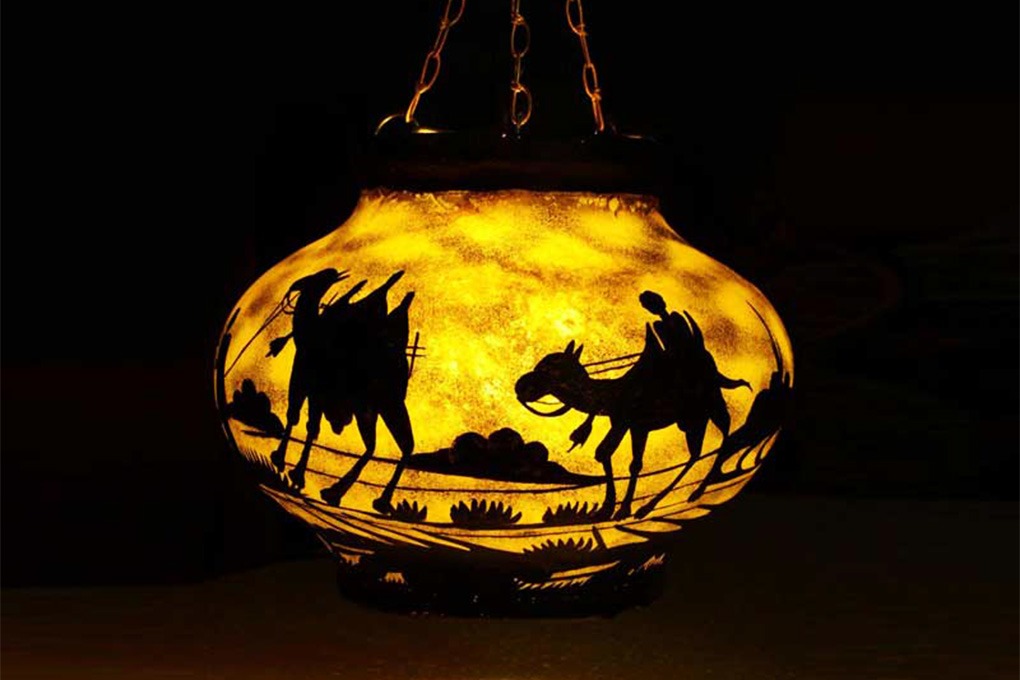
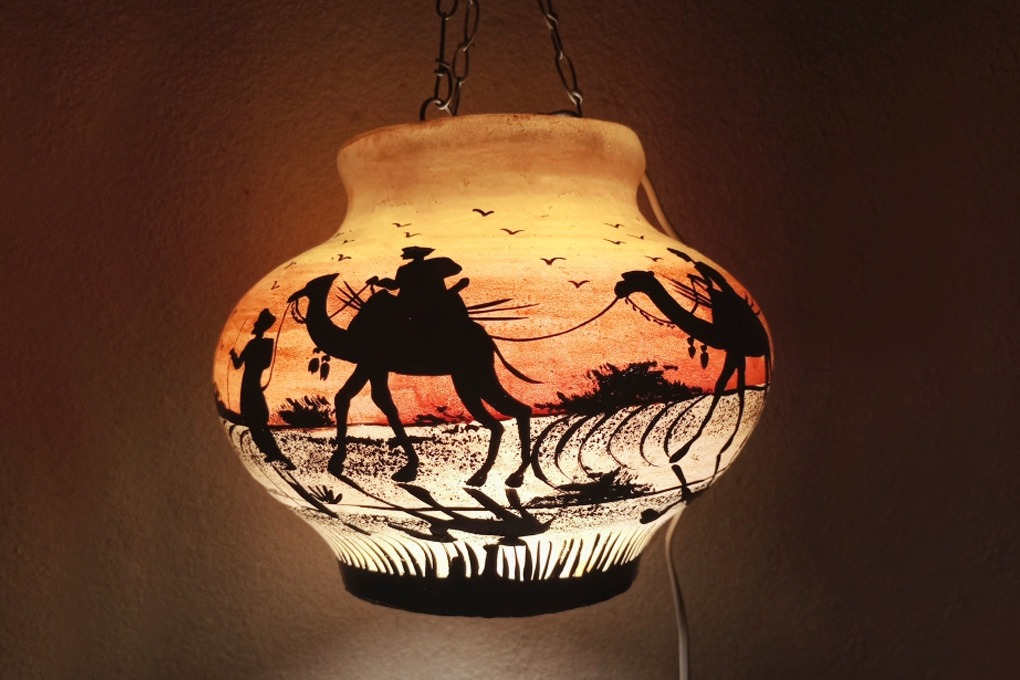
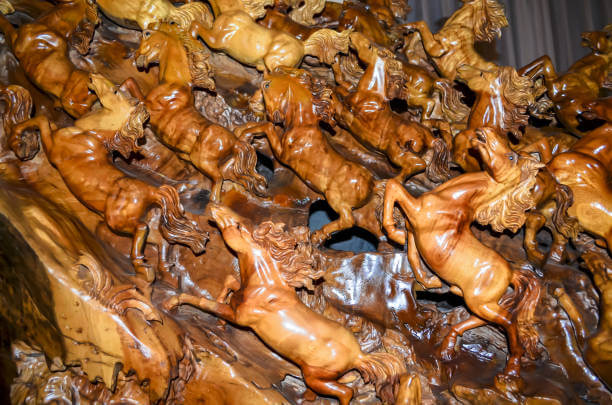
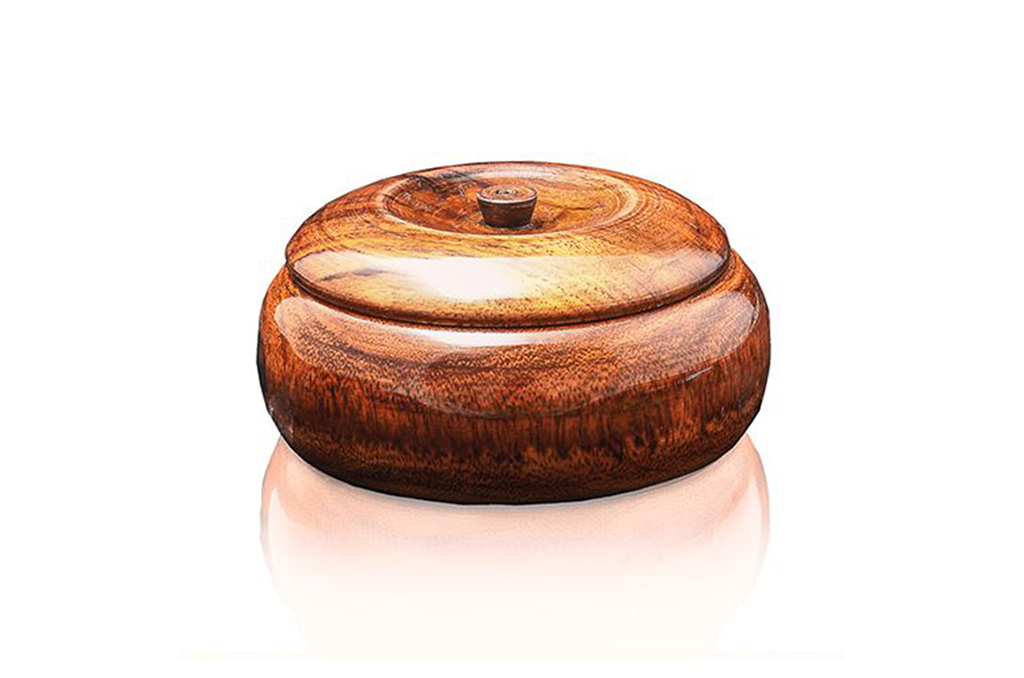
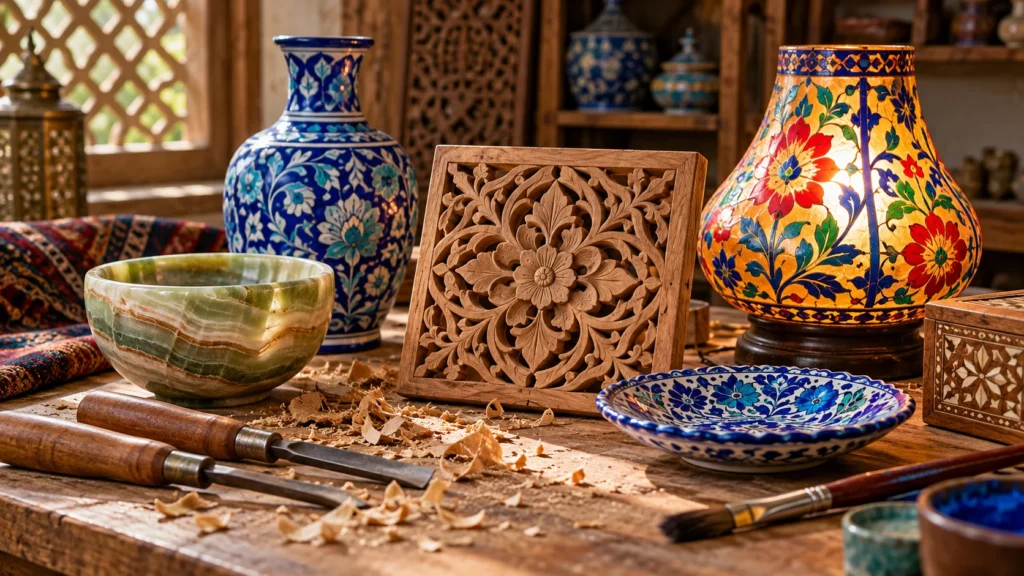
The handicraft industry of Pakistan is easier to understand through a finished object than through a single headline. Look at the painted surface of a camel skin lamp, the grain of a wooden horse or the bands in an onyx bowl. Each piece represents material knowledge, practiced technique and decisions a photograph can only partly reveal.
These crafts belong in a discussion about today’s homes and businesses as well as cultural heritage. For them to remain commercially useful, customers need to understand what they are looking at, how to use it and how to request it. The industry connects all three: making, explaining and reaching a market.
A craft industry with several regional identities
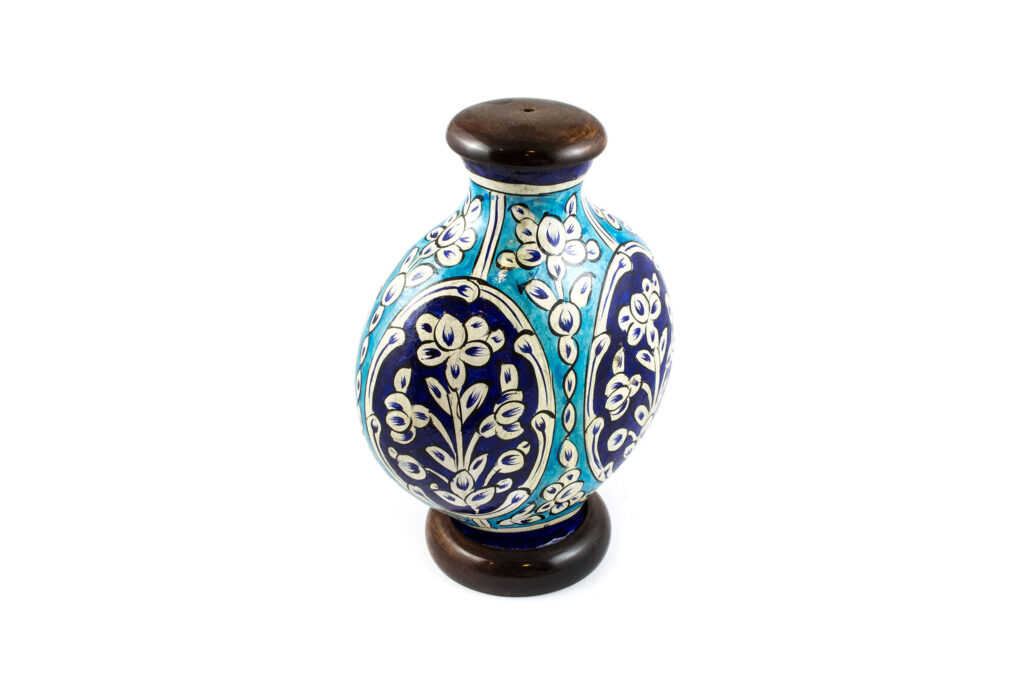
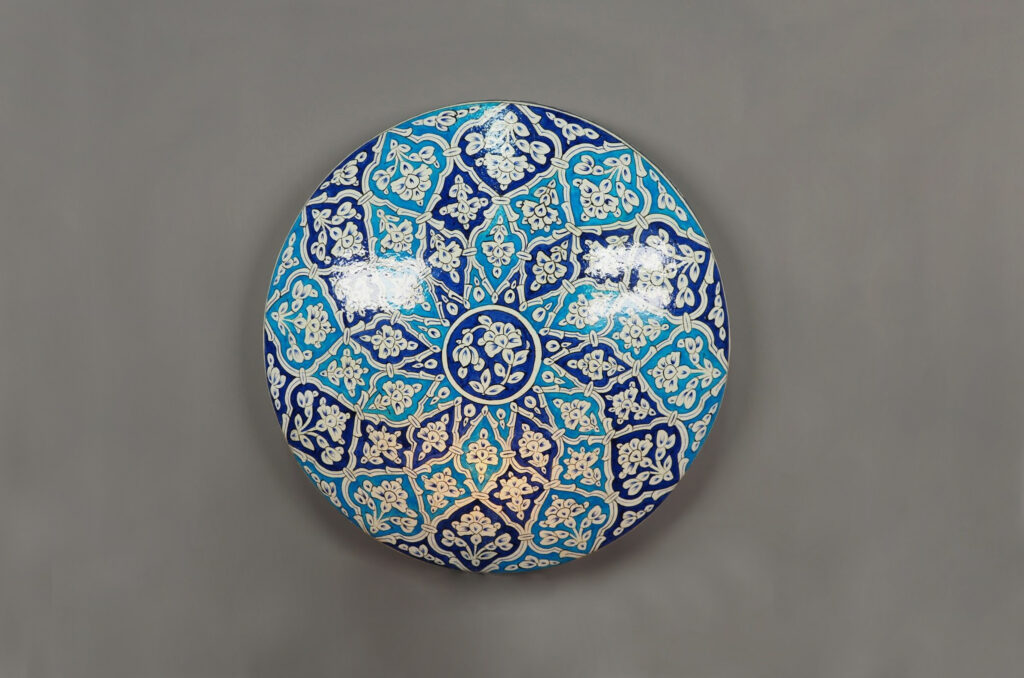
Pakistan’s handicrafts do not come from one technique or one place. TDAP identifies camel skin lamps and blue pottery among Multan’s traditional crafts. The Government of Punjab’s Chiniot history describes the city’s woodworking heritage and its connection to the Chenab River, which once helped bring timber into the area.
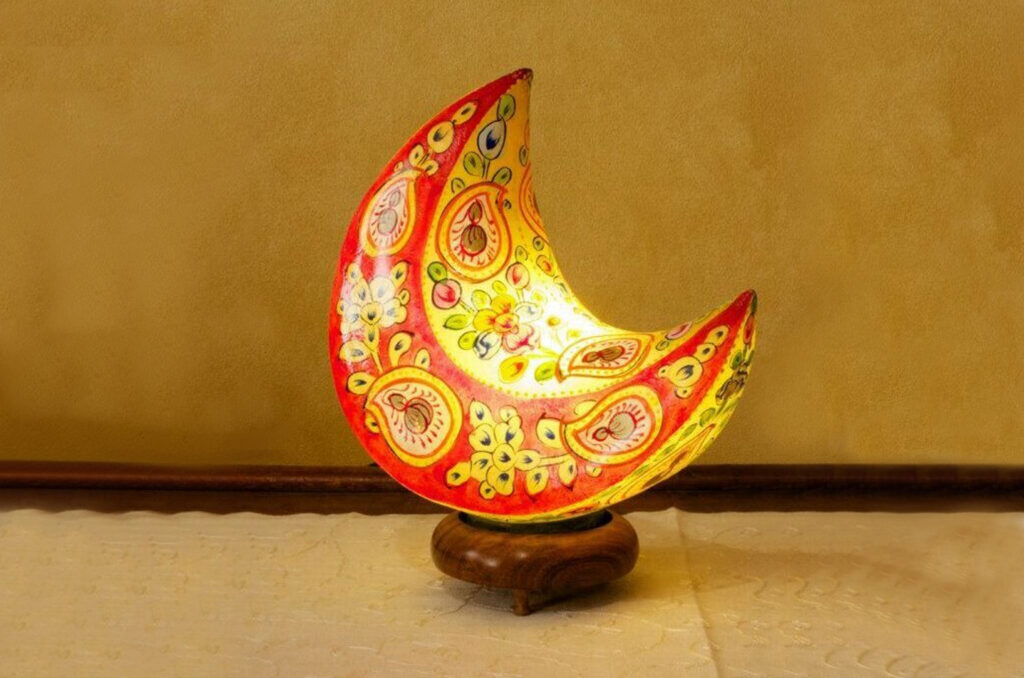
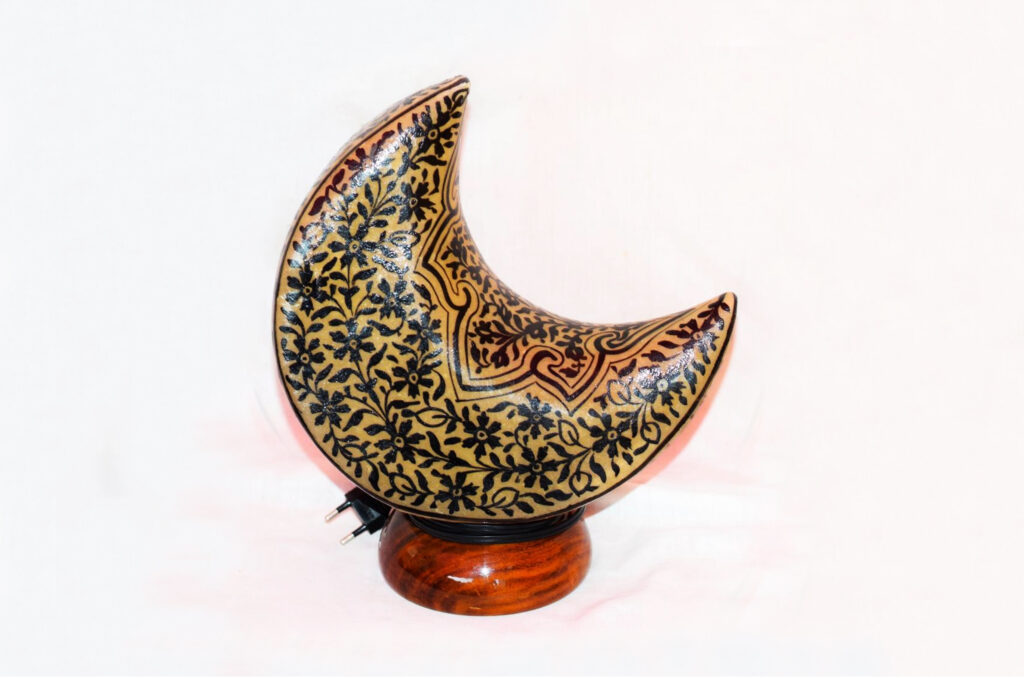
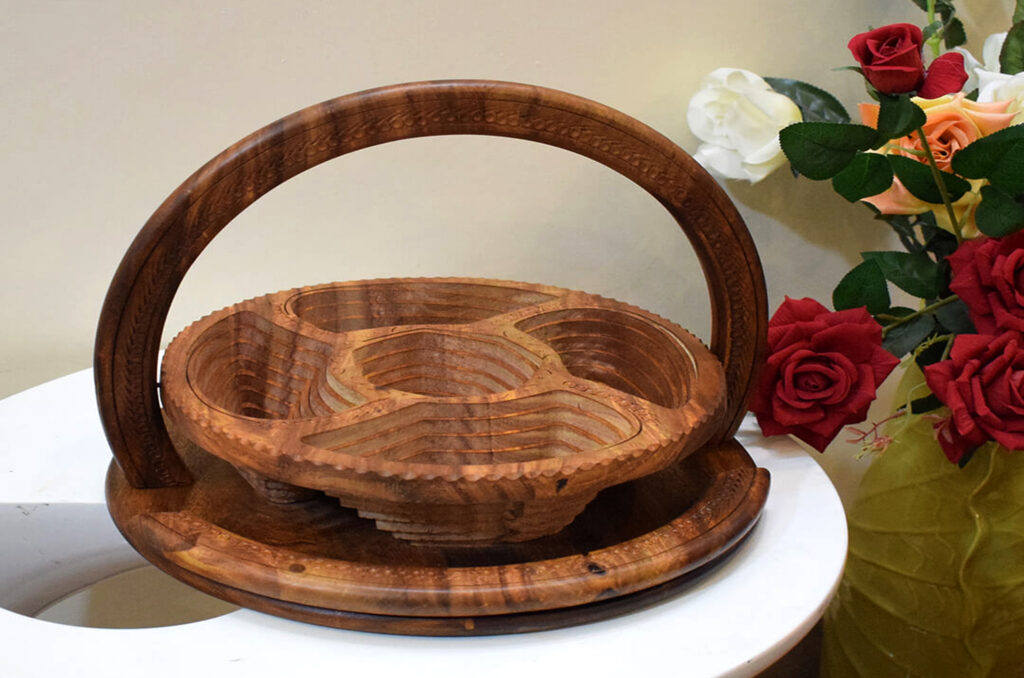
Material changes the job. A woodworker studies grain and proportion. A stone craftsperson considers color bands, thickness and the risks of breakage. A lamp painter thinks about the relationship between a curved surface and a pattern. Calling all of these objects handicrafts is convenient, but their skills and production constraints differ.
That distinction matters to a buyer. The right questions for a painted lampshade are not identical to those for a stone bowl. A useful catalogue lets you compare within each craft before building a wider collection.
What the statistics tell us, and what they leave out
UNCTAD’s Data Hub, updated April 2, 2026, reports global creative goods exports of $709 billion in 2024. Its categories include products with a creative component and do not separate all handmade goods from mass-produced goods. The figure provides international context, not a valuation of Pakistan’s handicraft industry.
Pakistan’s Bureau of Statistics provides a more specific example. For July to April 2023/24, its selected commodities table records 1,311 metric tons of manufactured onyx exports worth $3.874 million. The same table records a separate handicrafts line valued at $199,000. These are distinct reporting categories. The handicrafts line alone should not be presented as the total value of everything handmade in Pakistan.
The figures illustrate why category labels matter. A handmade object may appear under a material or product heading rather than under a broad craft label. Read the period, unit and classification before making a comparison. Both the UNCTAD data and the PBS table are linked so readers can check the scope themselves.
Why craftsmen need more than appreciation
A compliment does not tell a maker what a customer wants to order. Useful demand comes with details: the product, size, quantity, destination and timing. Clear enquiries help a supplier assess what is possible and help a customer decide whether the work fits the intended use.
Handcrafted production also involves variability. Some differences make the object appealing, such as a stone’s bands or small changes in painted decoration. Other details need consistency, including stable bases, secure packaging and dimensions that match the agreed specification. A good buying process distinguishes the two.
For retailers, the challenge is explaining the work without treating every object as an anonymous souvenir. A short description of the material, care needs and design can be more useful than exaggerated claims about rarity. For makers, that explanation helps customers see why technique deserves attention.
How the modern world is adopting Pakistani handicrafts
Homes mix traditional objects with simple surroundings
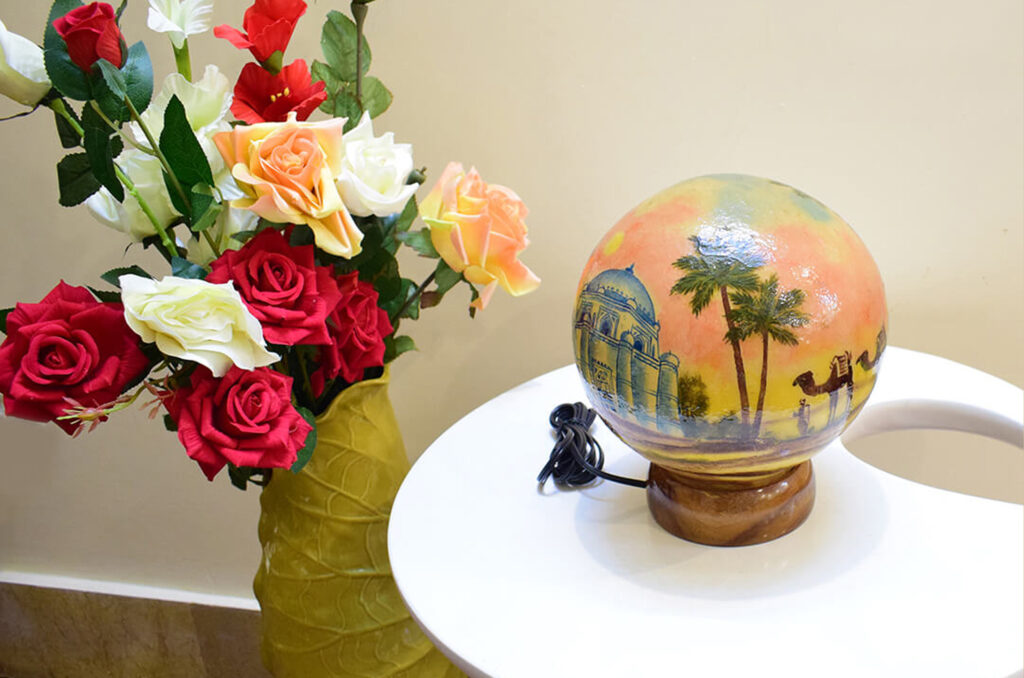
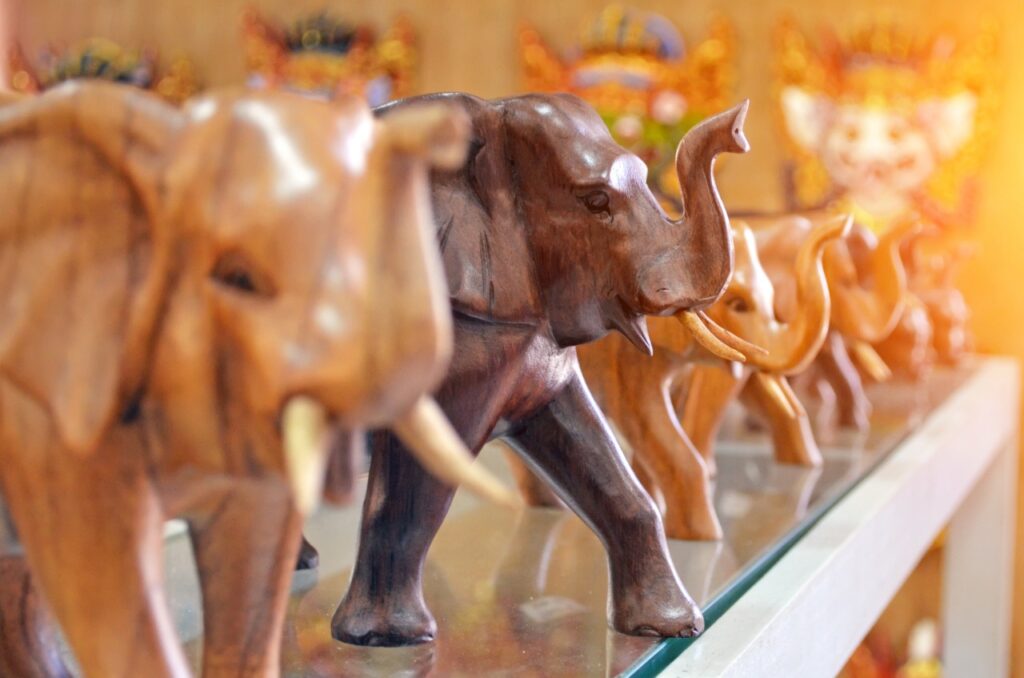
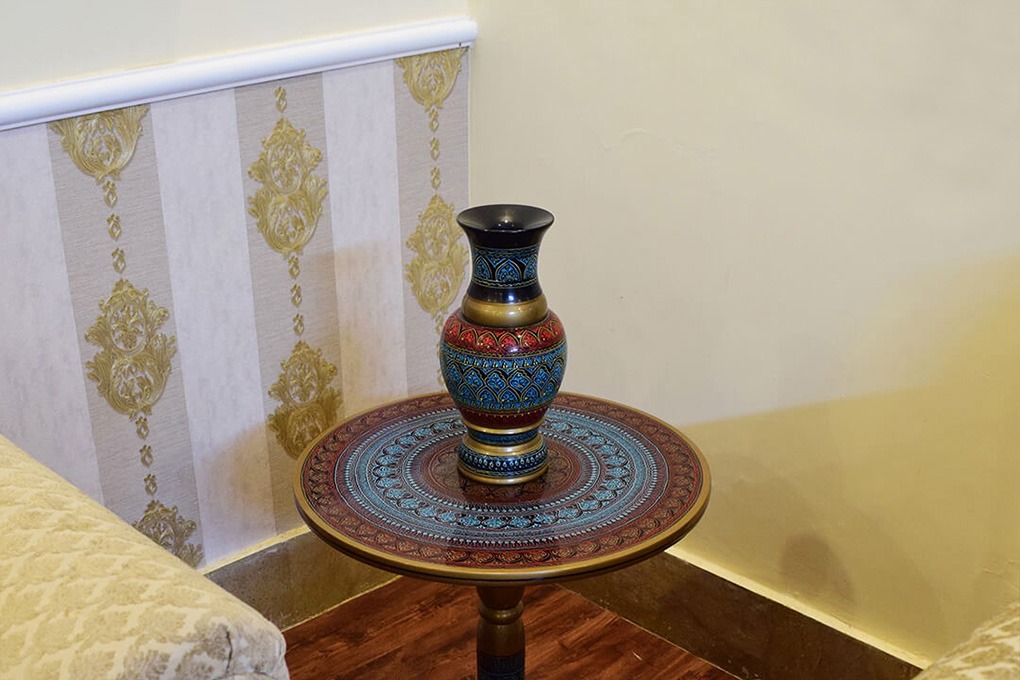
You do not need a room full of matching crafts to use one well. An onyx object can sit on a plain console. A camel skin lamp can add painted color beside neutral upholstery. A wooden animal can give a shelf a focal point without changing the rest of the room. These are accessible ways to introduce regional craft into contemporary interiors.
Retailers organize collections around materials and use
A store can group pieces by a common material, a gift occasion or a room setting. A small wood and stone collection is easier to explain when the display includes dimensions and care information. This approach allows customers to choose something they can live with, rather than buying solely because the object looks unfamiliar.
Digital discovery leads to a more informed enquiry
Online photographs let buyers compare shapes and surface detail before contacting a supplier. Product options make it possible to specify an assortment. Digital access does not remove the need for human discussion. It makes that discussion more focused, particularly when several craft categories are involved.
A closer look at Mineraali’s craft collections
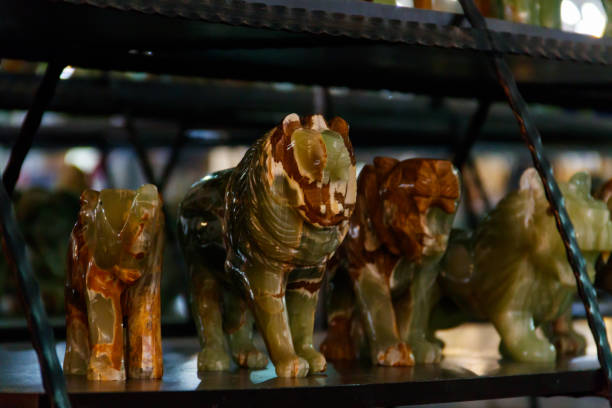
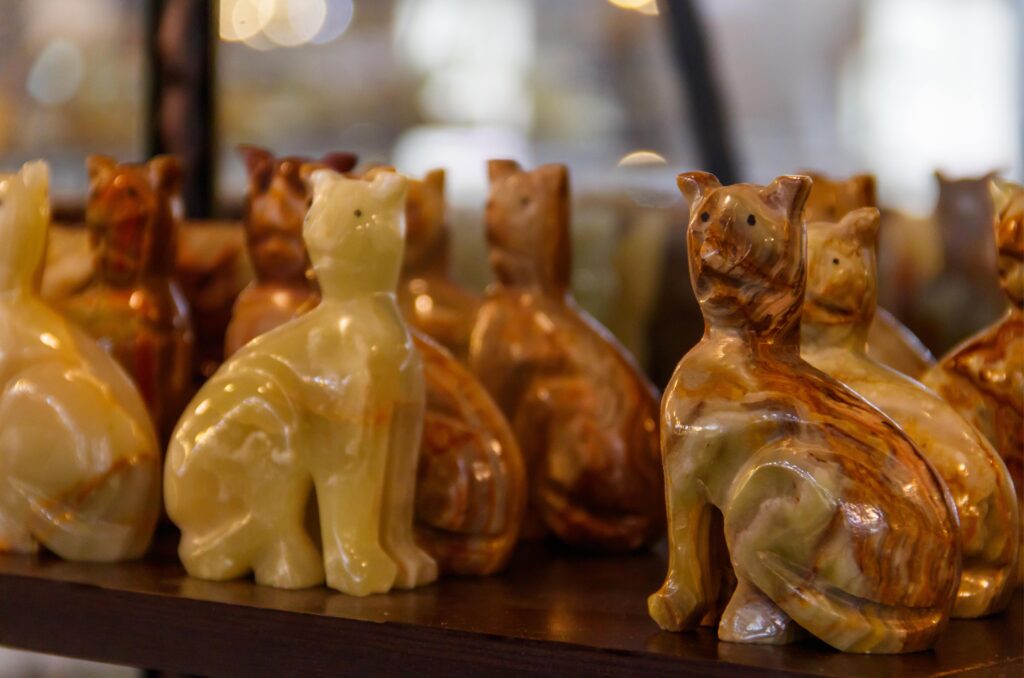
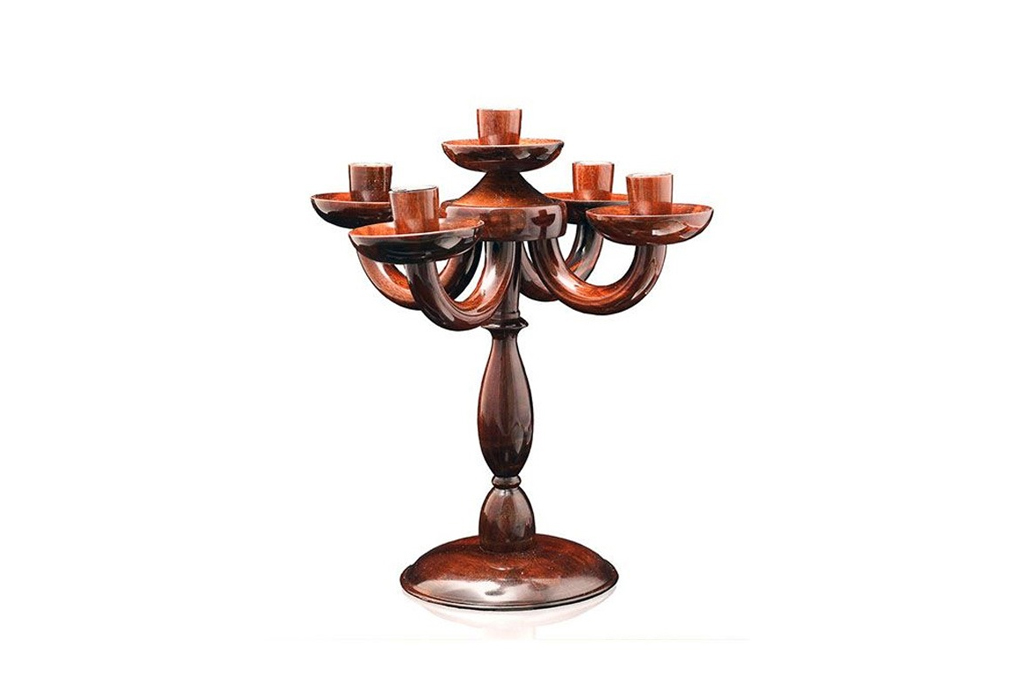
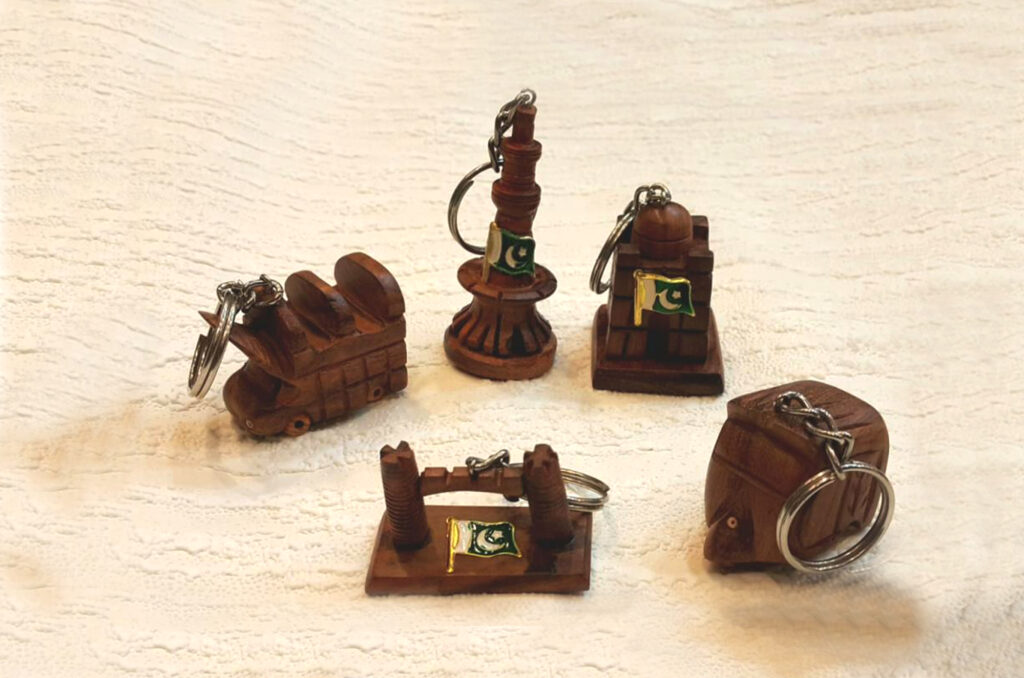
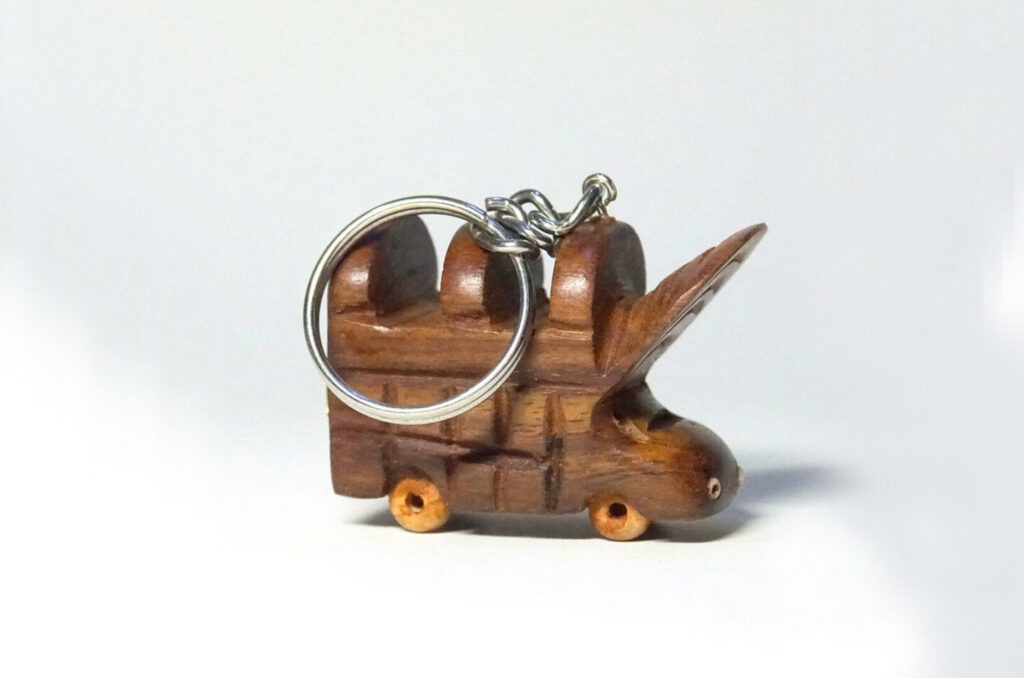
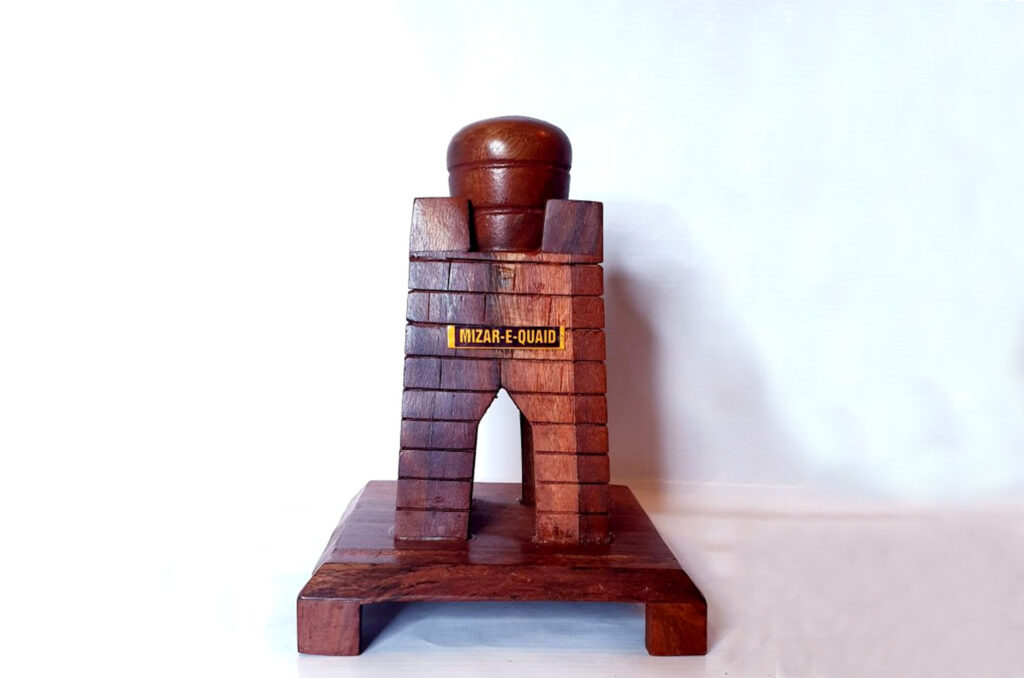
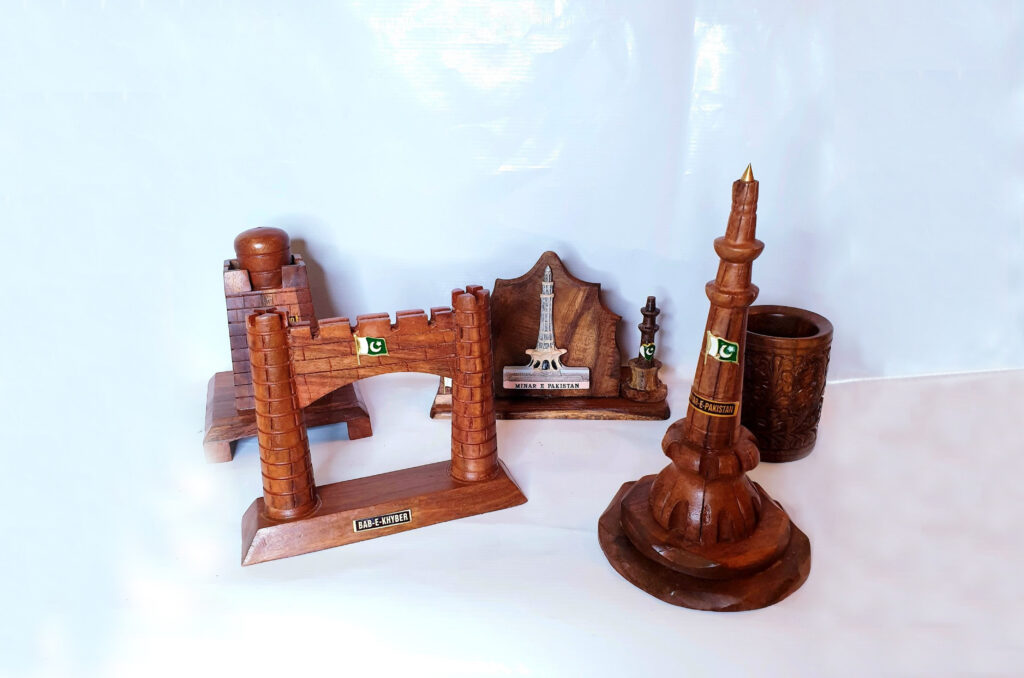
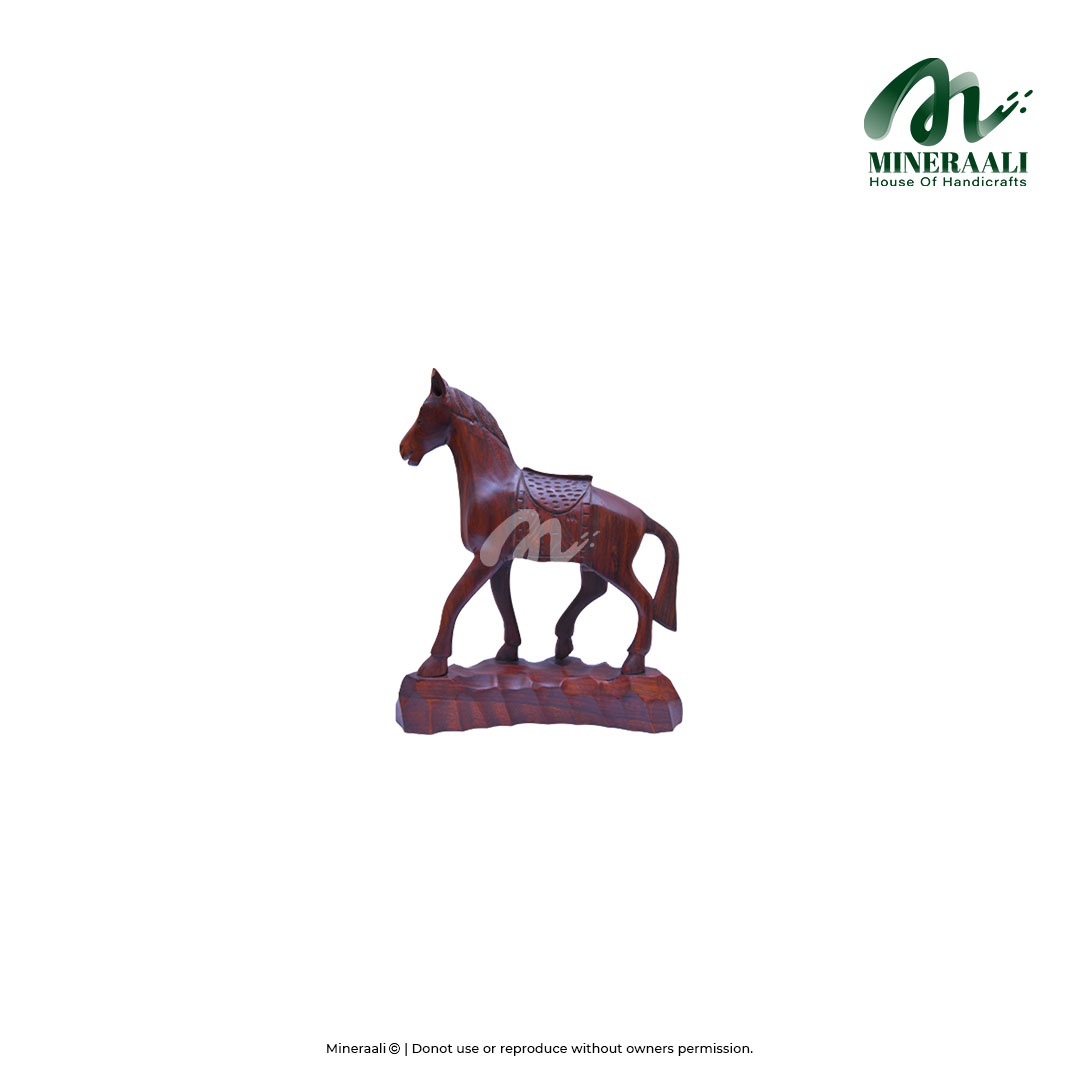
Mineraali’s catalogue gives customers several starting points. Its wooden crafts collection includes carved animals and monuments. The Hand Crafted Wooden Horse With Saddle shows how a familiar animal form becomes a decorative object. In the onyx collection, the Onyx Deep Bowl offers a different expression of material and shape.
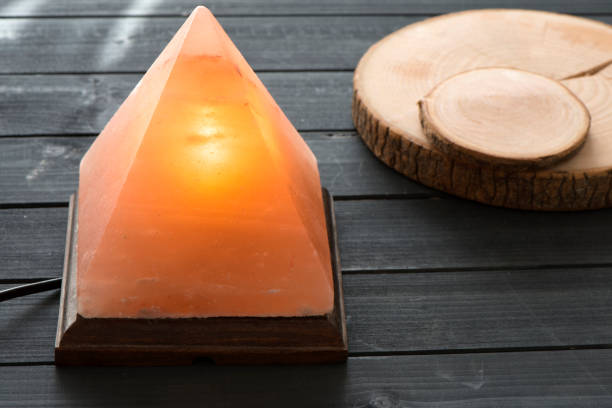
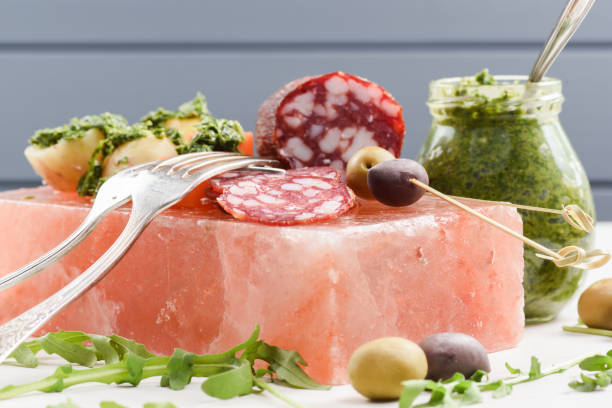
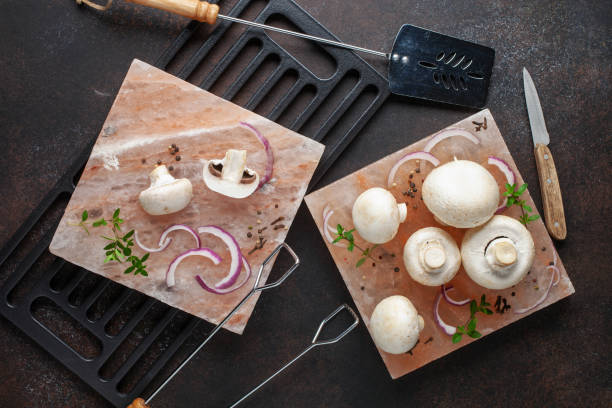
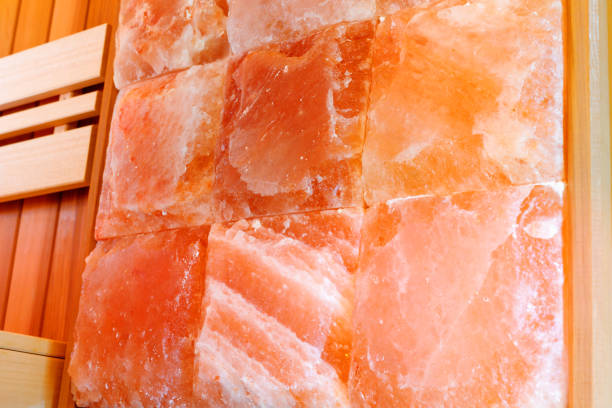
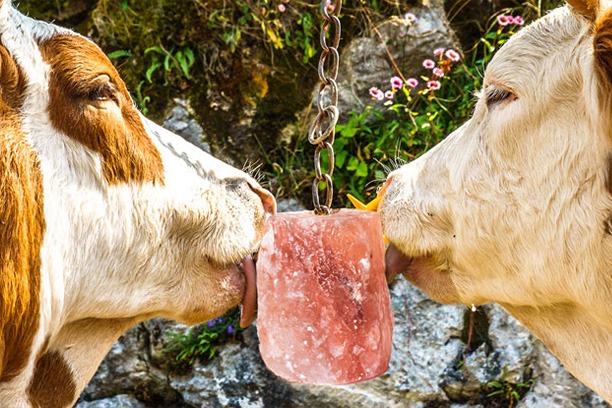

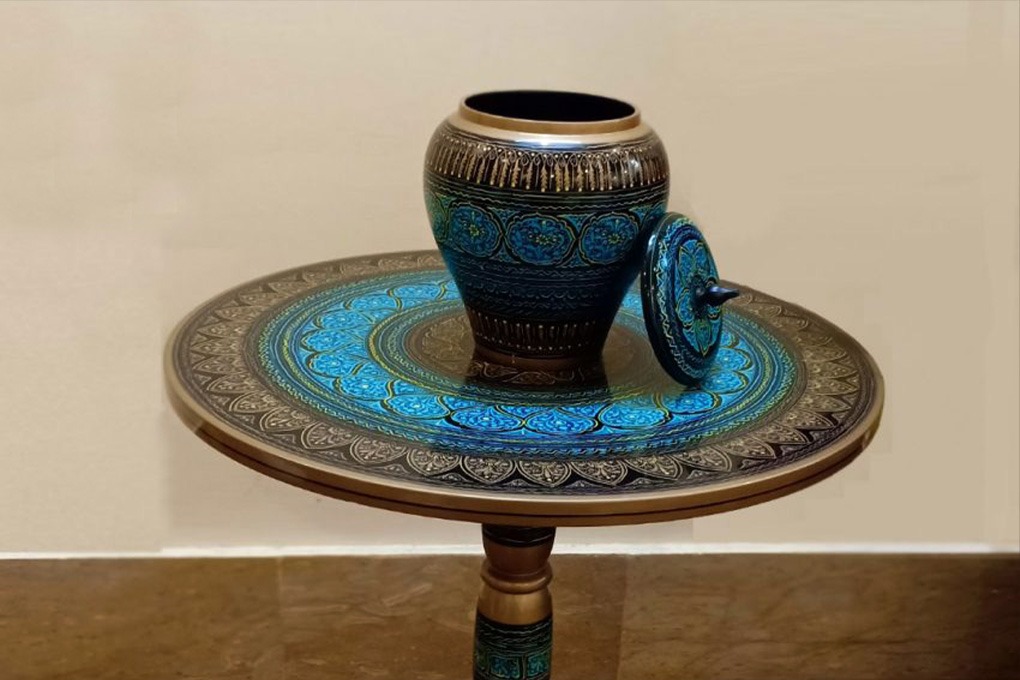
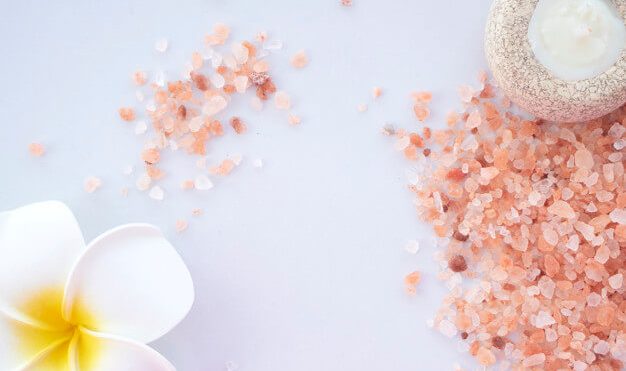
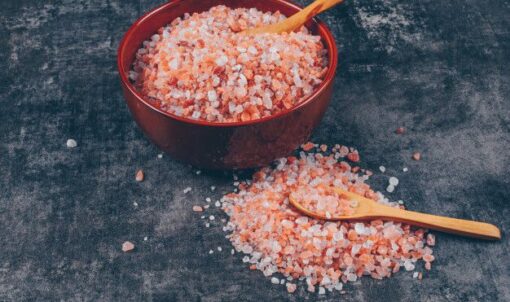
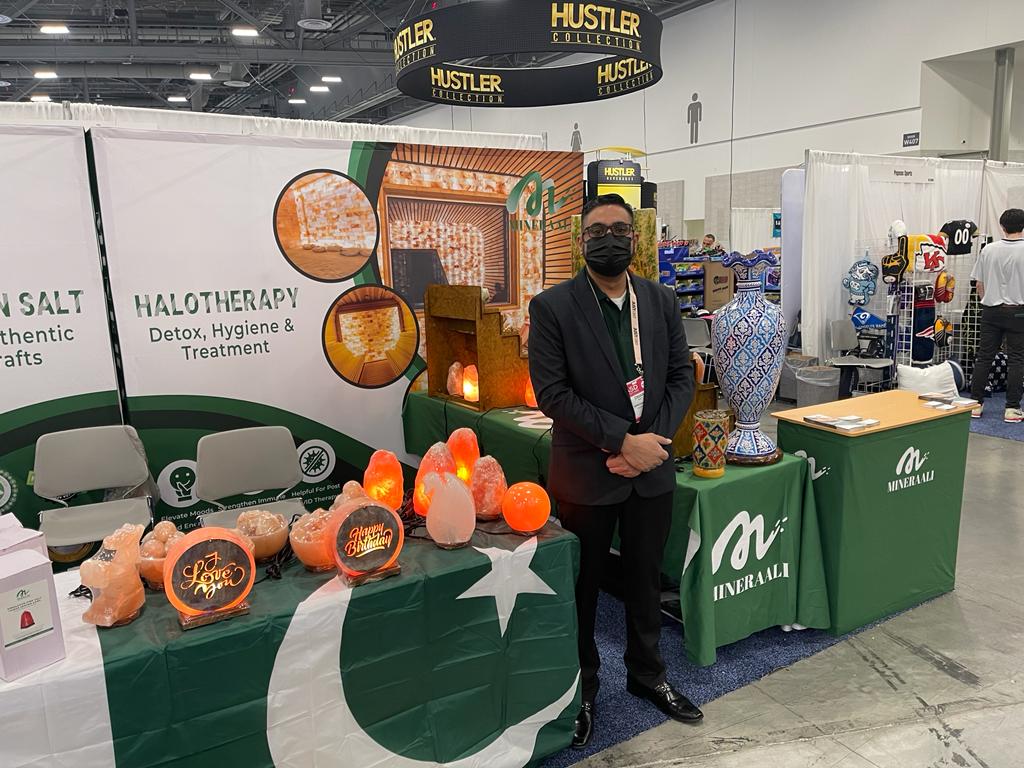
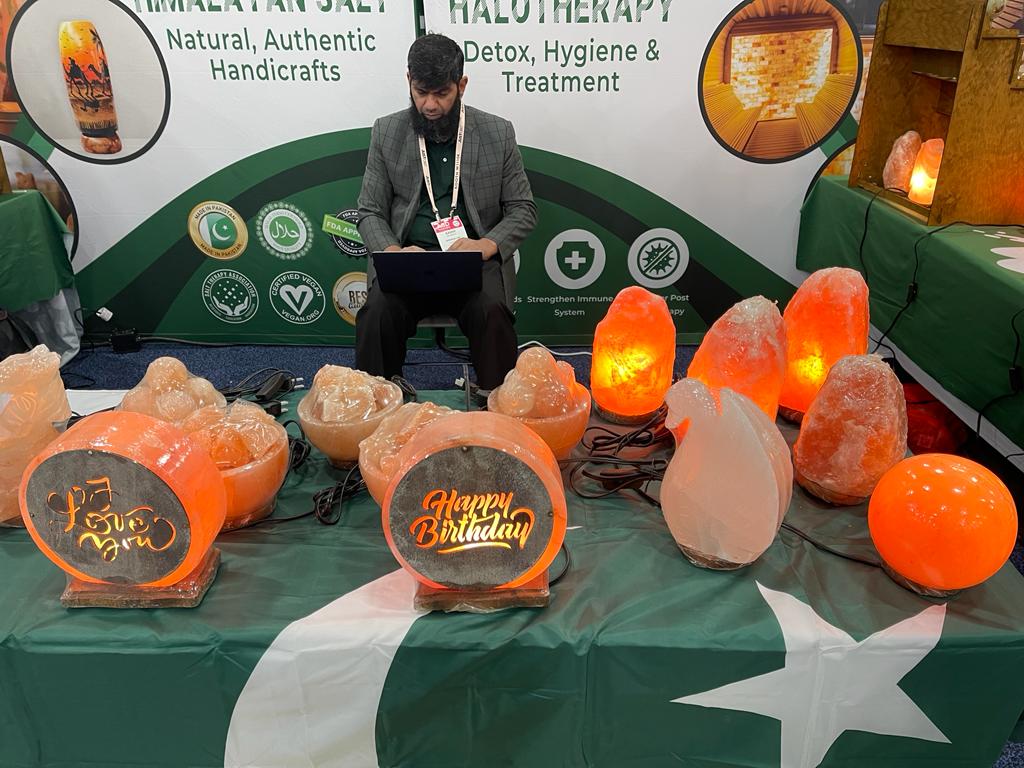
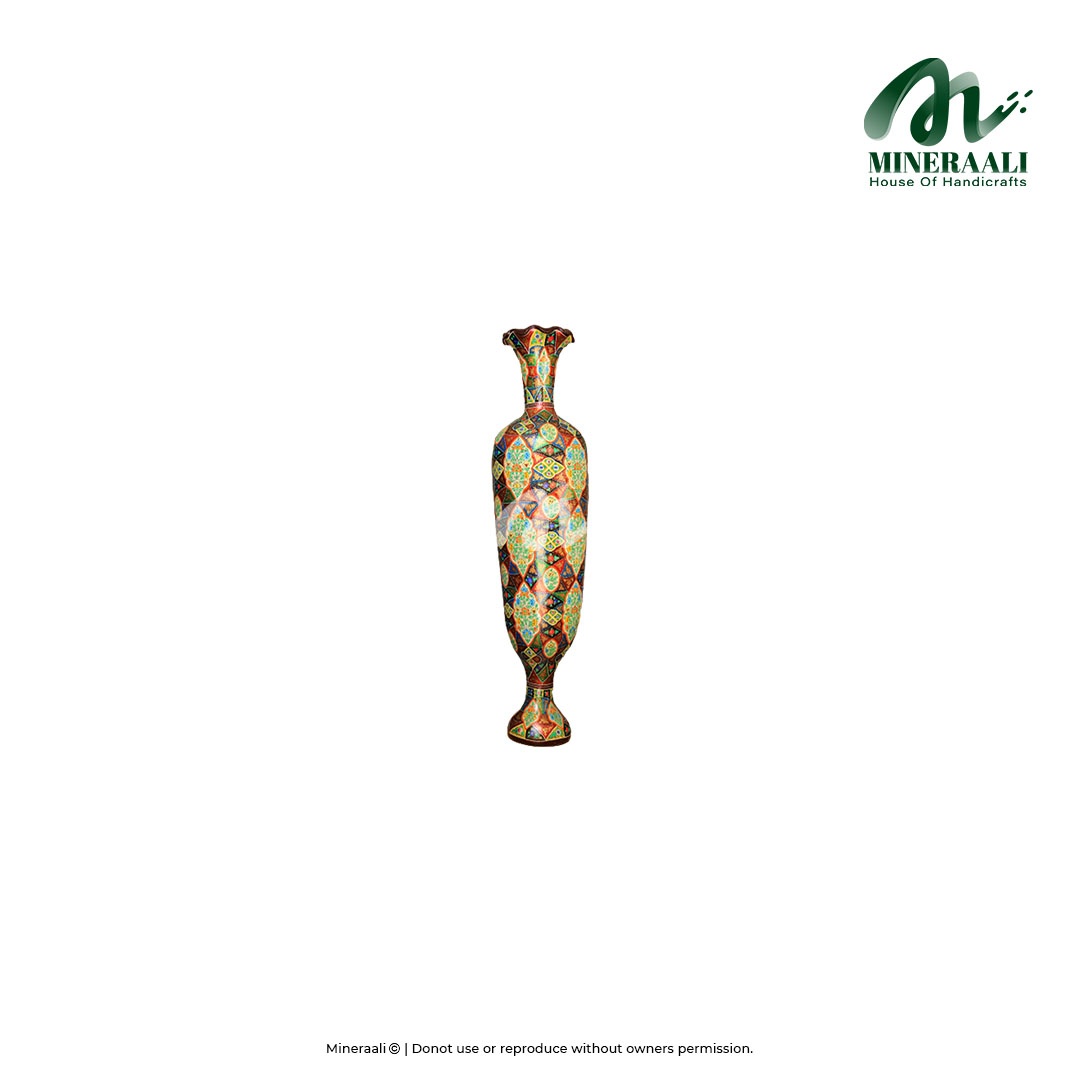
The camel skin lamp collection brings color and lighting into the mix. The Multi Color Vintage Flower Vase Lamp is one example of a design with a strongly painted surface. The Himalayan salt collection adds natural and carved forms. These links are a way to explore the actual products, not a claim that every material suits every application.
How Mineraali is helping craftsmen
Mineraali helps by giving handcrafted products a place where customers can discover, compare and enquire about them. Its company introduction describes a focus on generational craft skills alongside design development. The catalogue turns that focus into individual products with photographs, descriptions and selectable options.
The quote process helps connect a broad interest in Pakistani craftsmanship to specific requirements. A customer can assemble a list across materials, record the available sizes and quantities and send one enquiry. That can make it easier to discuss a retail assortment, an interior project or a gift selection.
When enquiries become completed orders, they can contribute to continued demand for skilled making. Good product presentation and an organized enquiry process give the craft a better chance of being understood. Customers can discuss the details that matter to their project while keeping the makers’ work at the center of the selection.
How to choose a craft collection thoughtfully
- Start with the intended use: decoration, ambient lighting or a gift.
- Check the material and dimensions on the individual product page.
- Ask about natural variation and whether a sample is available.
- Confirm care requirements, packing, lead time and destination details.
- For lamps, confirm the fitting and power compatibility before agreeing to a quotation.
If you are building an assortment, keep your initial selection manageable. Compare the pieces as a group and decide what connects them. A clear selection helps both sides discuss the work with fewer assumptions.
Frequently asked questions
What Pakistani handicrafts can I explore at Mineraali?
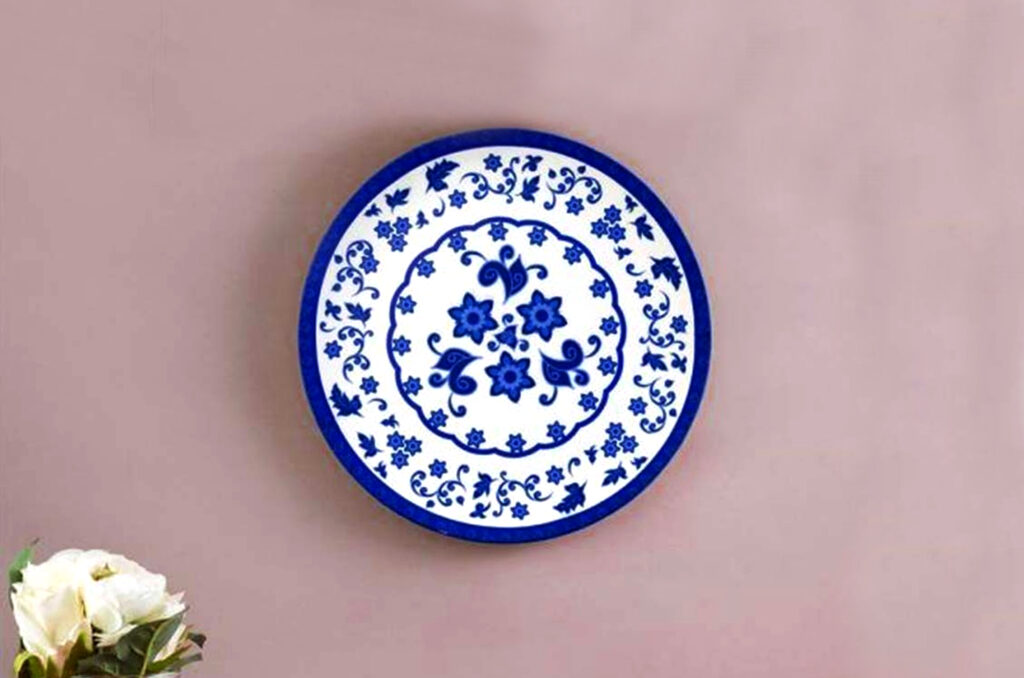
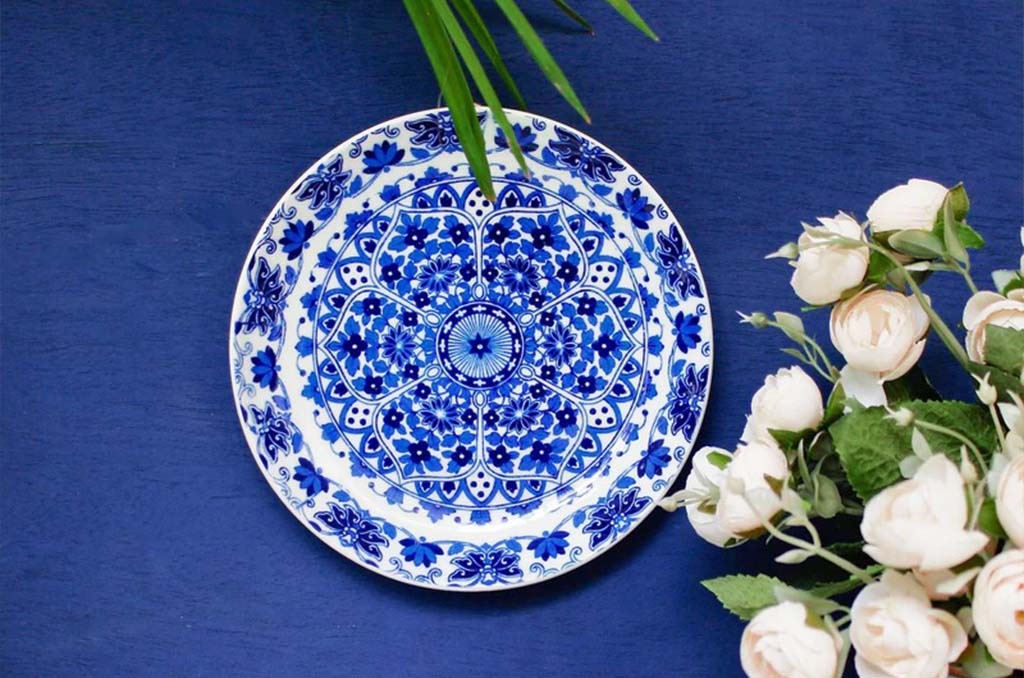
You can browse Himalayan salt products, wooden crafts, onyx pieces, camel skin lamps and blue pottery. Start with a material category, then compare individual designs.
Does Mineraali sell these products through online payment?
Mineraali uses a quote request process. Add your selected products and options to the list, then submit an enquiry through the quote page. The team confirms pricing and availability separately.
Can traditional craft work in a modern room?
Yes. Begin with one object and give it enough visual space. A simple setting makes the material, painted detail or carved form easier to appreciate.
Sources and references
- Trade Development Authority of Pakistan: Multan District craft profile
- Government of Punjab: Chiniot history and woodworking heritage
- UNCTAD Data Hub: creative trade insights, 2024 data, updated April 2, 2026
- Pakistan Bureau of Statistics: exports of selected commodities, July to April 2023/24, page 4
- Mineraali: About Us
Sources reviewed October 14, 2026. Statistics retain the reporting periods stated above. Product photographs are from the Mineraali catalogue.
