















Camel Skin Lamps
Camel Skin Lamps from Multan: Handmade Art for Modern Homes
Jun
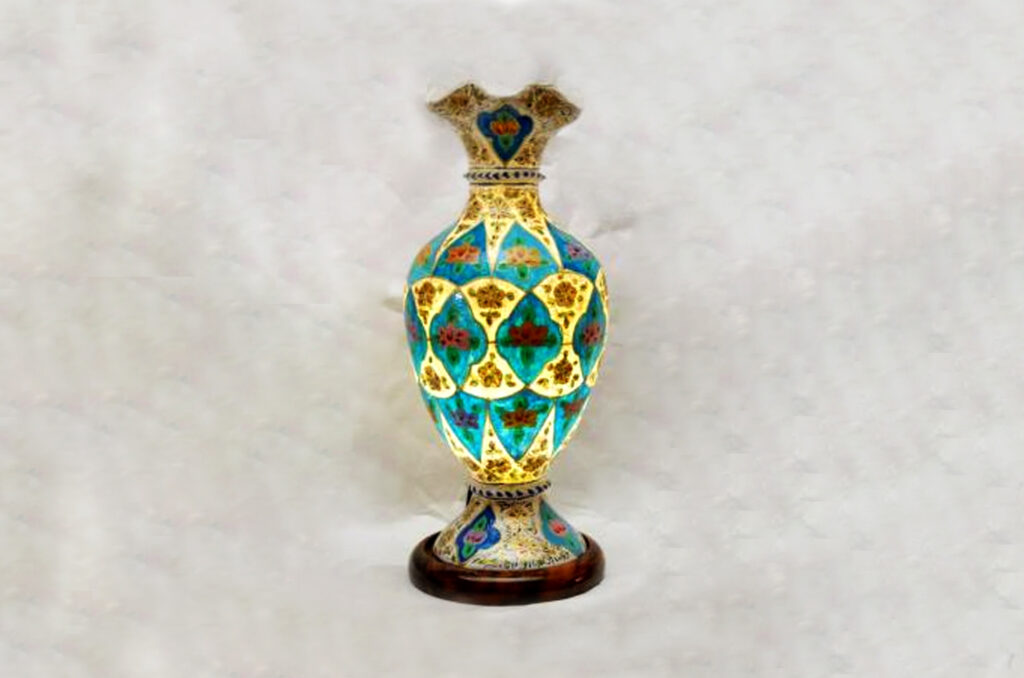
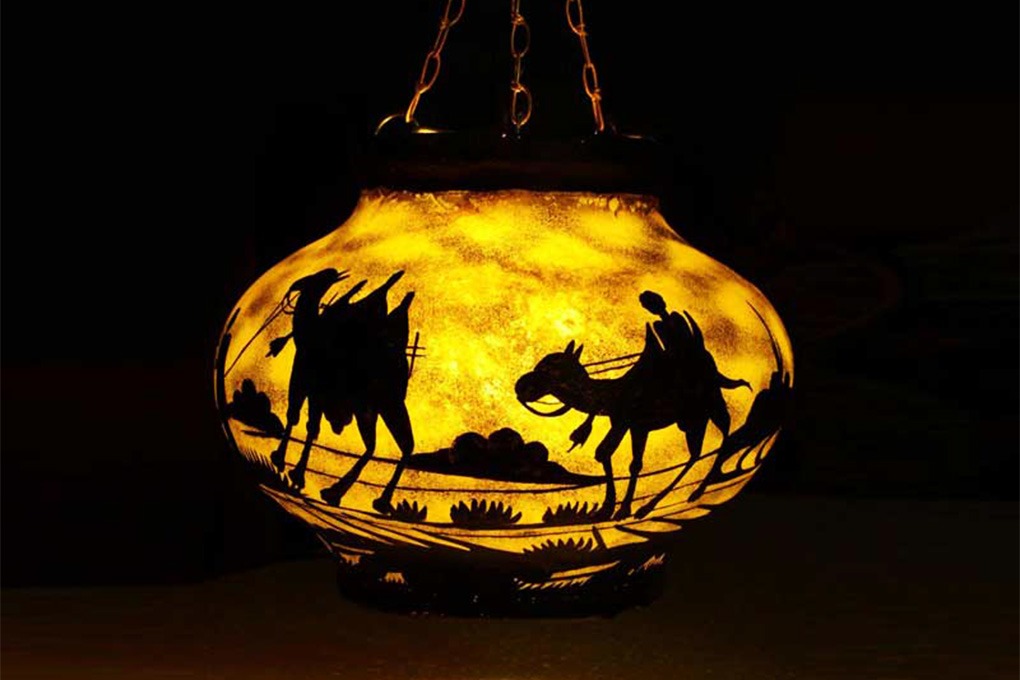
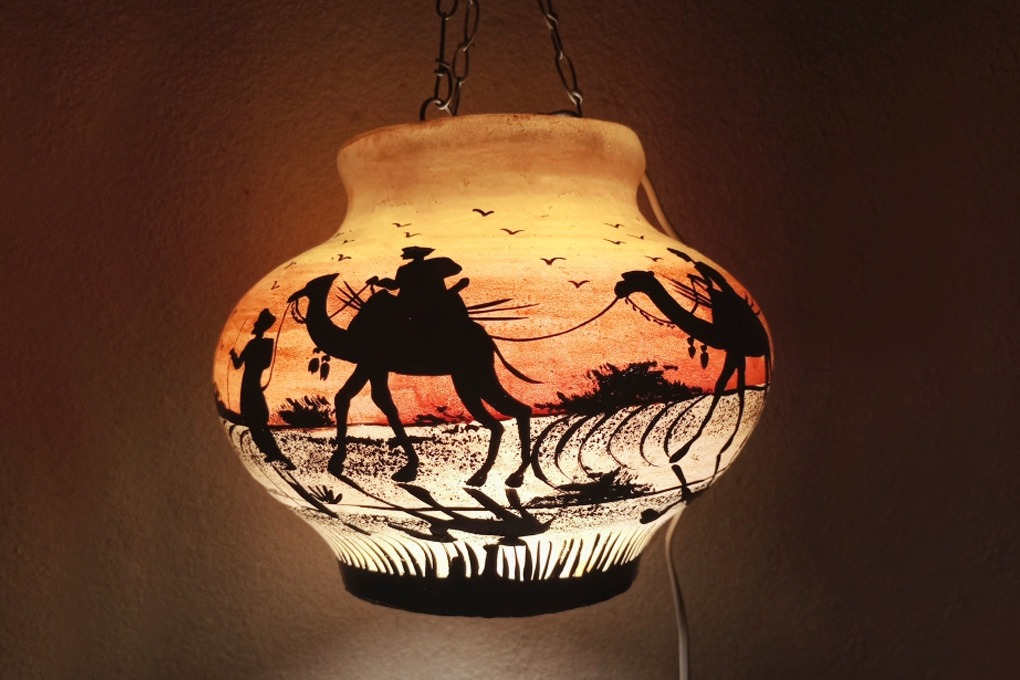
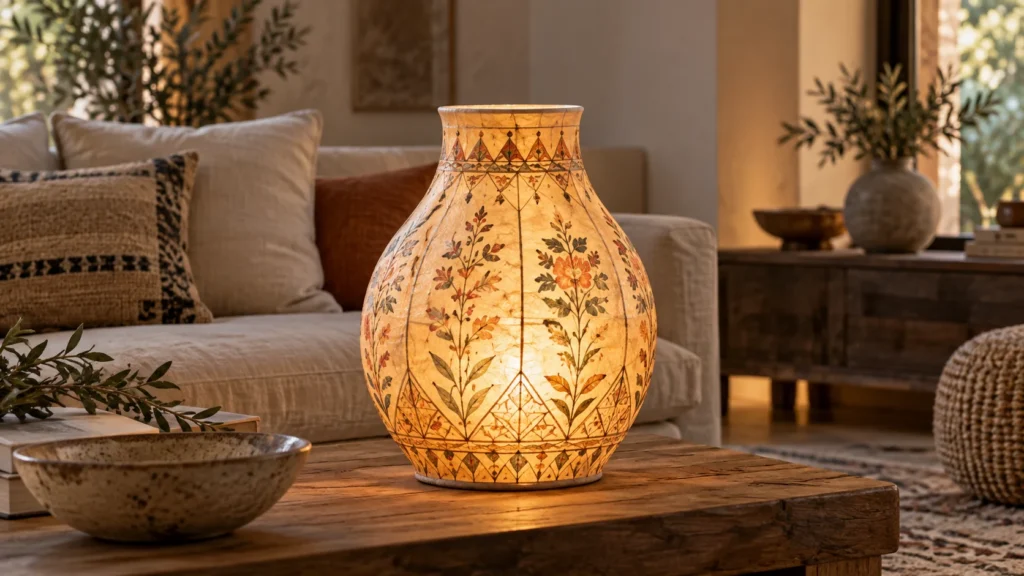
Camel skin lamps are worth looking at twice. In daylight, you see the painted pattern and the shape of the shade. When the lamp is lit, light passing through the material gives that same surface a different presence. The object combines decoration and lighting in a way that makes its construction part of the experience.
Multan is closely associated with this craft. Understanding the people behind the form and painted finish makes the lamp more interesting, whether you are choosing one for your home, a gift or a proposed retail collection. It also helps explain why careful product selection matters.
Multan’s place in the camel skin lamp tradition
The Trade Development Authority of Pakistan lists camel skin lamps among Multan’s traditional crafts, alongside blue pottery and other skilled work. A feature by Associated Press of Pakistan traces the modern lamp-making tradition to Abdullah Naqash in 1910. That is an account of this particular craft, not a claim that the lamps themselves are as old as the city.
In the same APP feature, an artisan describes three specialist roles and reports that the craft once involved more than 50 families, with about 10 still engaged at the time of reporting. These are reported observations, not a new census or a current verified count. They explain why attention to the people doing the work matters.
Three artisan roles behind a camel skin lamp
Asia InCH’s account of Pakistani camel leather craft identifies the potter, the skin worker and the painter. Each role contributes something different to the finished object. Understanding that division helps you see why the result depends on collaboration rather than a single decorative step.
The potter develops the mold
A mold establishes the shape around which the prepared material is formed. Its proportions influence the eventual lamp. A rounded pot, a globe and a taller vase each give the painter a different surface to work with.
The skin worker forms the shade
The prepared skin is fitted around the mold and allowed to dry into its shape. Asia InCH describes a process in which the internal mold is removed after drying. The worker’s task is to produce the body that will hold the form and receive the decoration.
The painter completes the surface

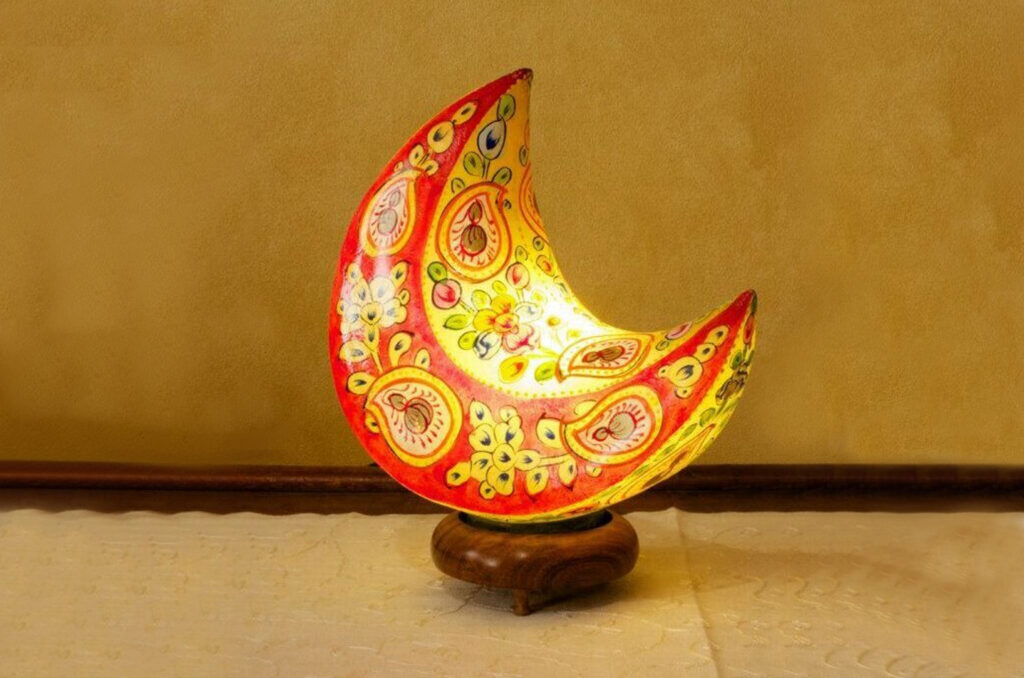
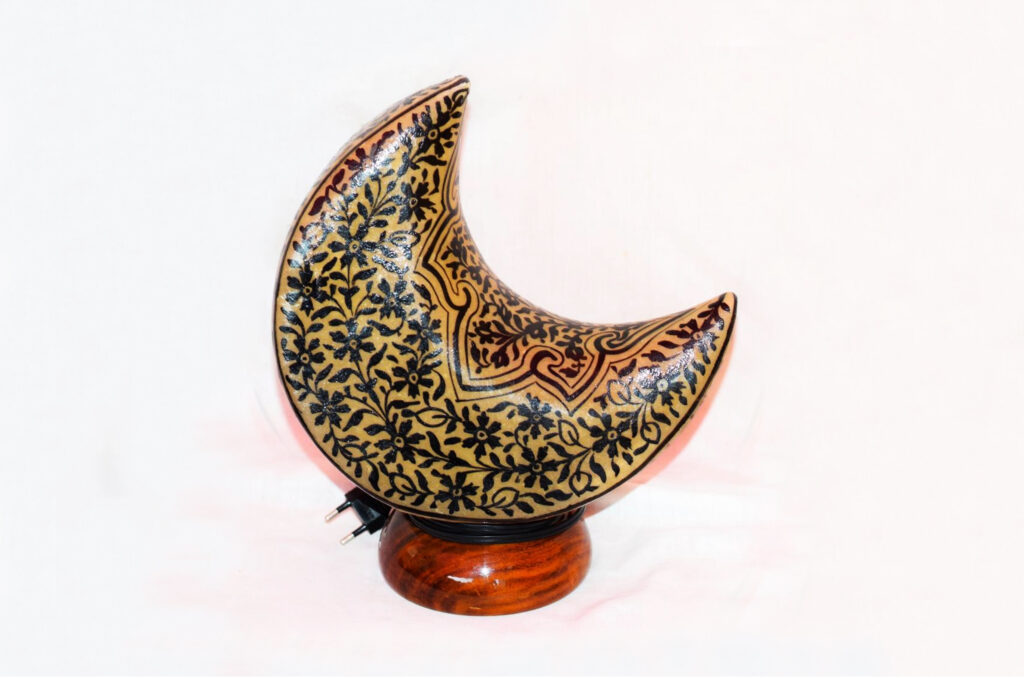
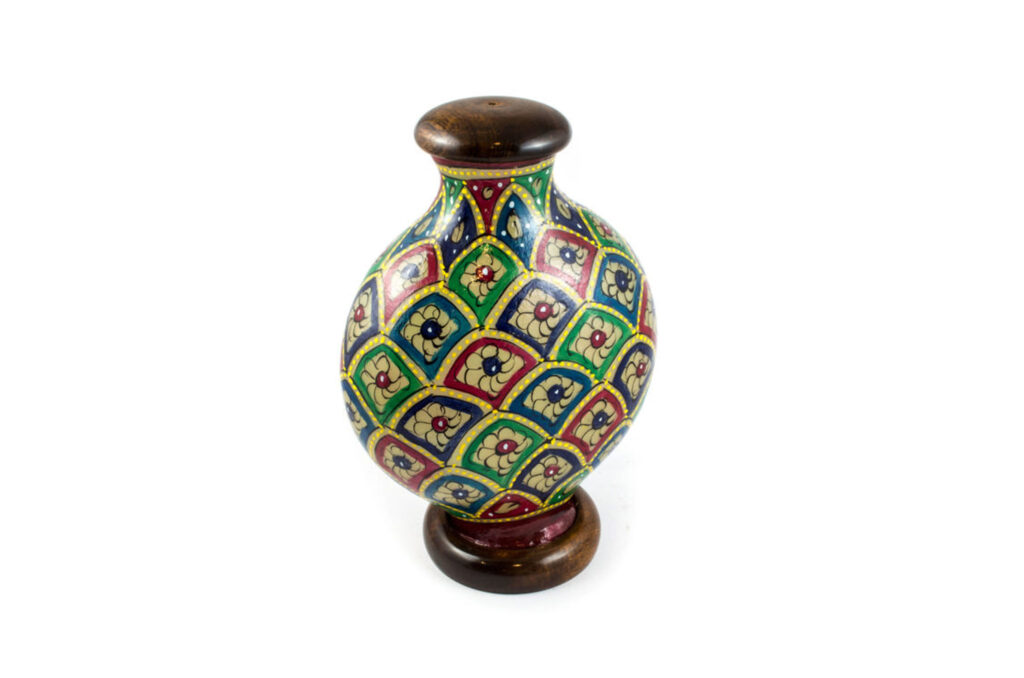
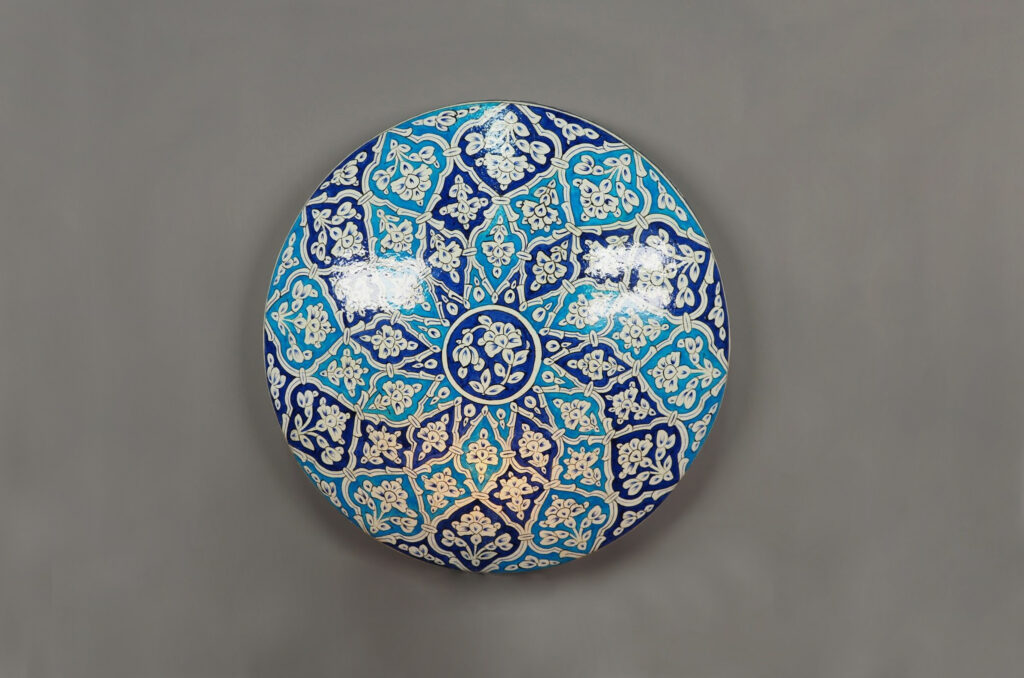
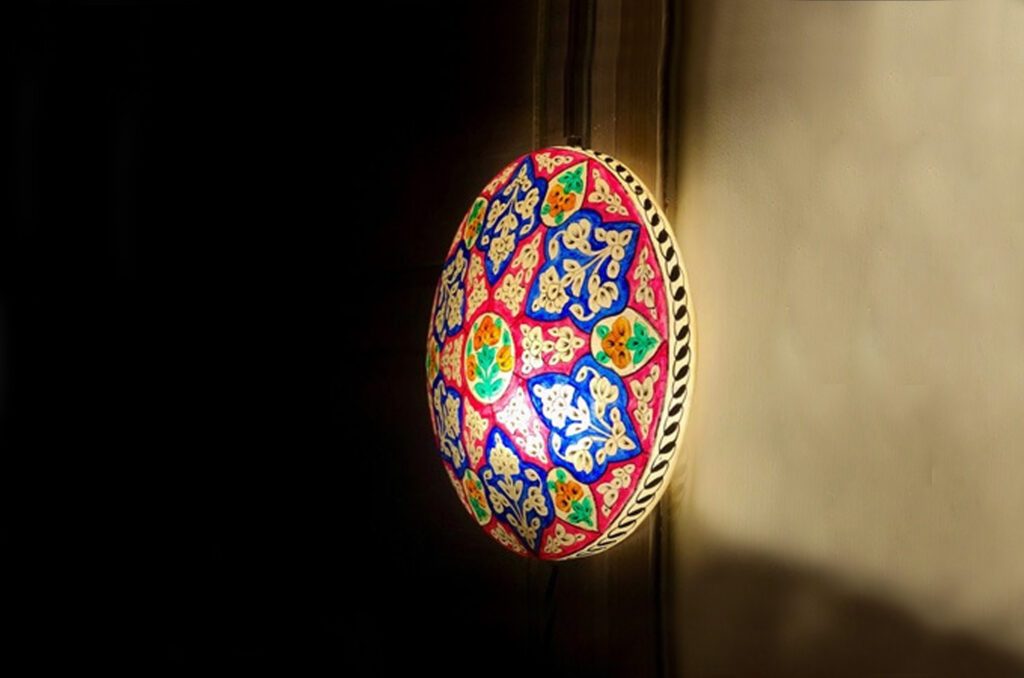
The painter adds patterns to the formed body. Floral and geometric designs can follow the curves of the shade or emphasize its outline. The finished lamp should therefore be considered from different angles, not only from the front shown in a catalogue photograph.
What makes the lamp different from a printed shade?
A hand-decorated lamp offers a relationship between material, shape and painting that a flat printed surface does not reproduce in the same way. You can look at how a motif wraps around a curve and how the design sits near the neck or base. Small variations are part of the character of the work.
Variation does not remove the need for usable construction. Ask about the base, fitting, suitable light source and overall dimensions. A lamp should be selected for both its painted appearance and its intended lighting role. It is reasonable to appreciate handmade differences while still expecting the agreed specifications to be clear.
Explore Mineraali’s camel skin lamp designs
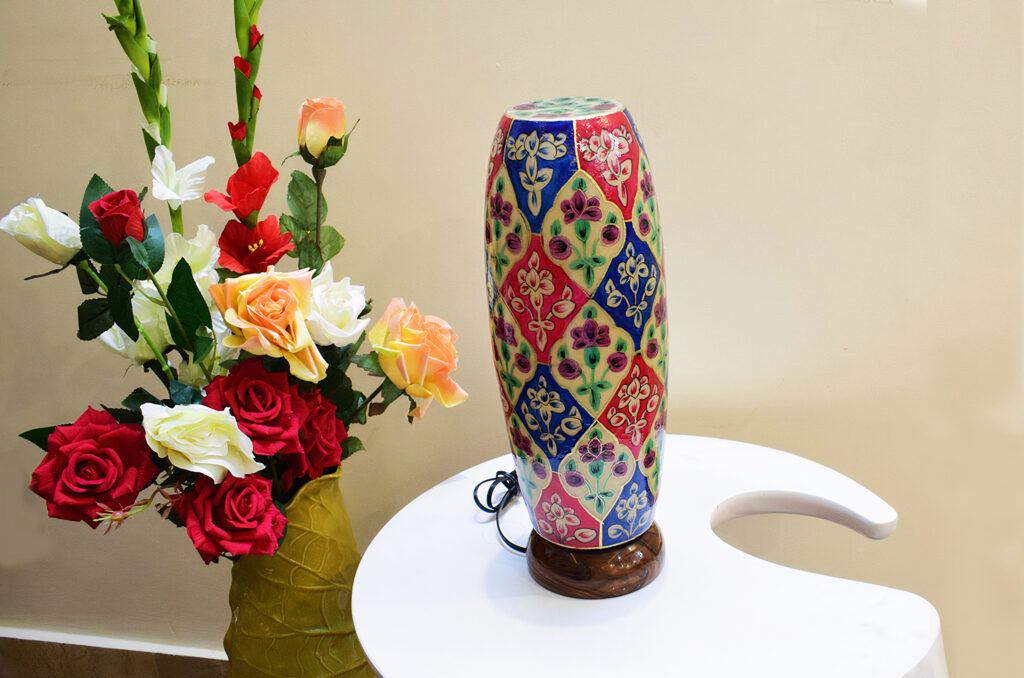
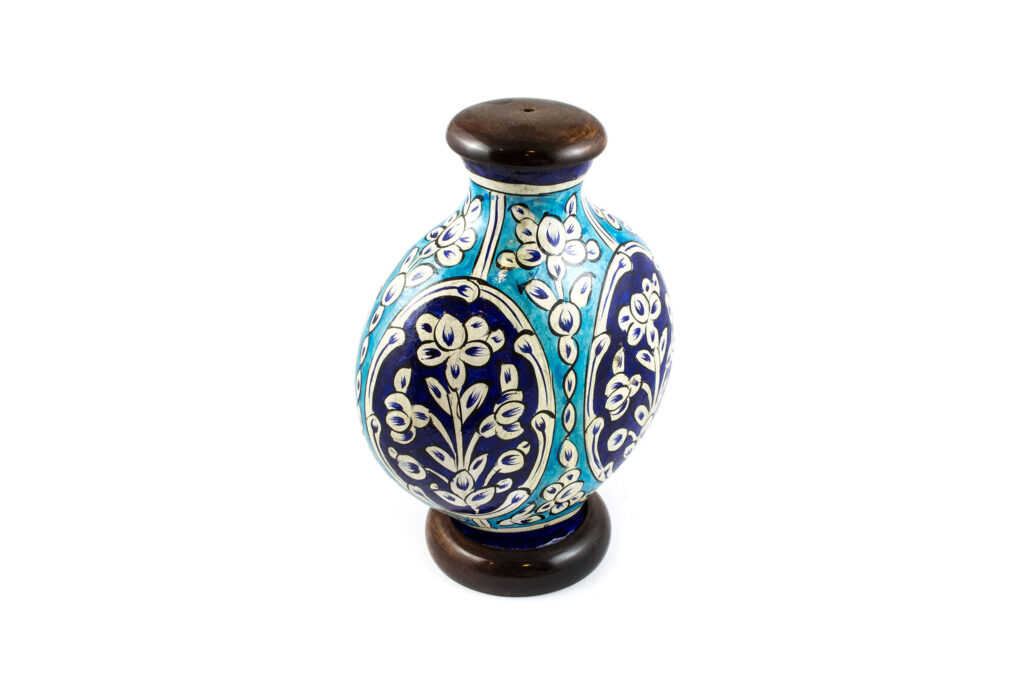
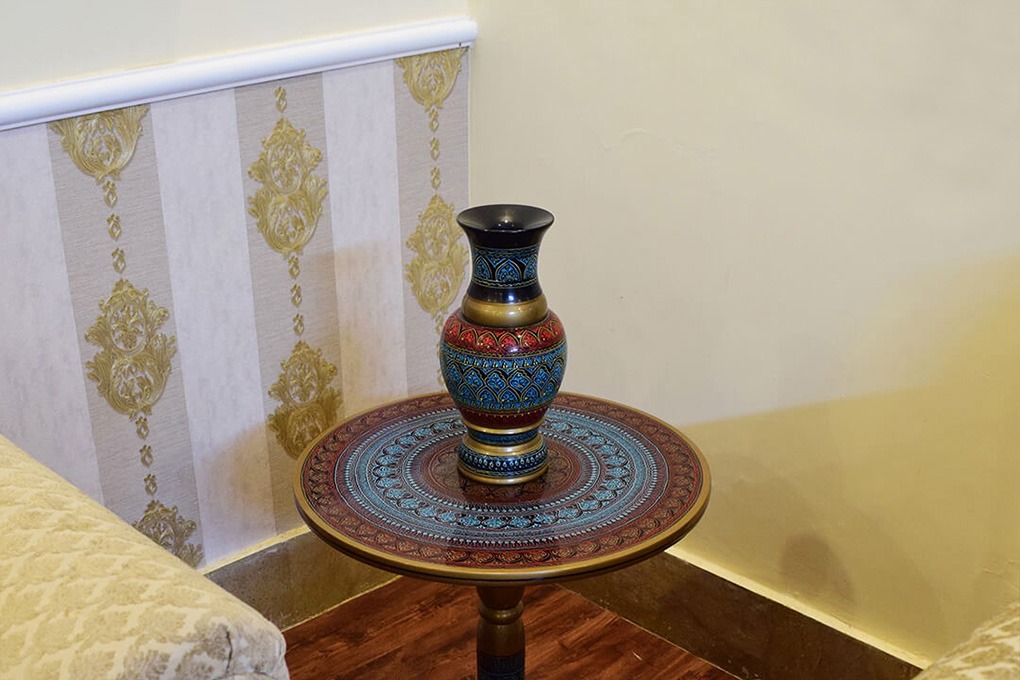
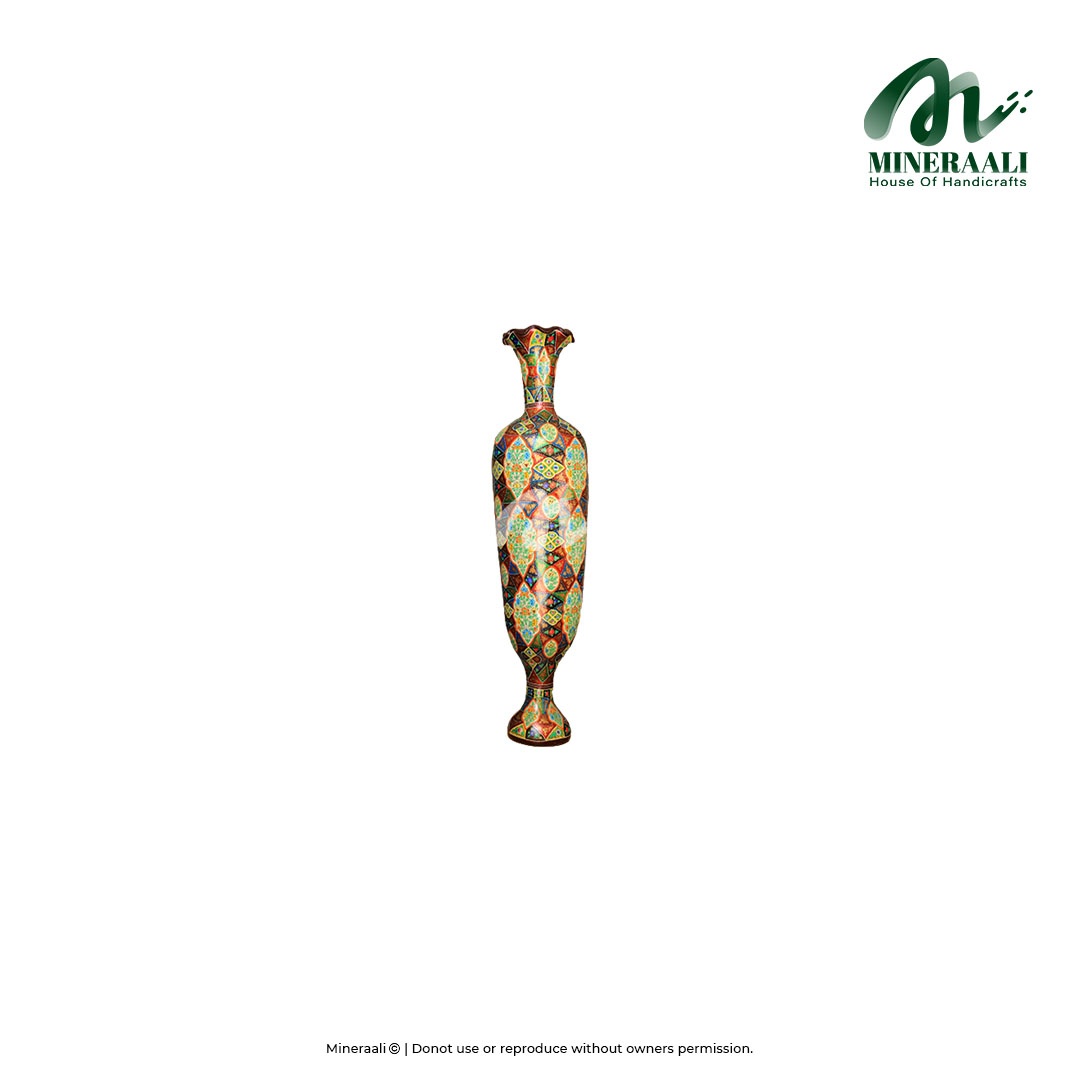
The Camel Skin Multi Color Vintage Flower Vase Lamp is a starting point for someone who wants a strongly painted design with a taller vase-like form. It can become a focal point on a console where there is space to see the profile. Check the available size before deciding how it will sit beside other objects.
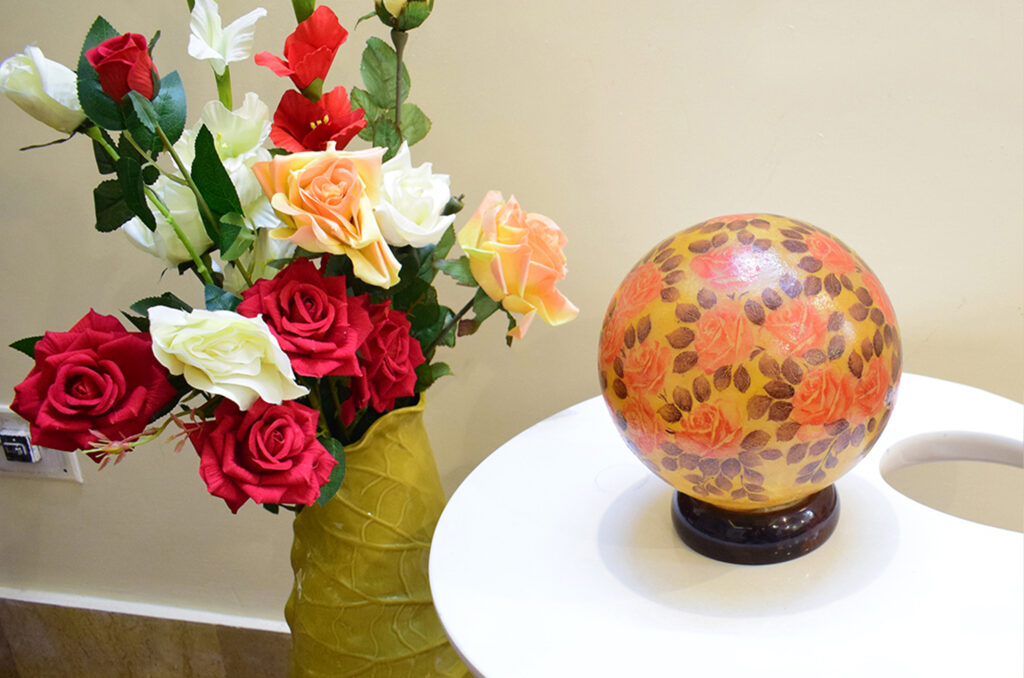
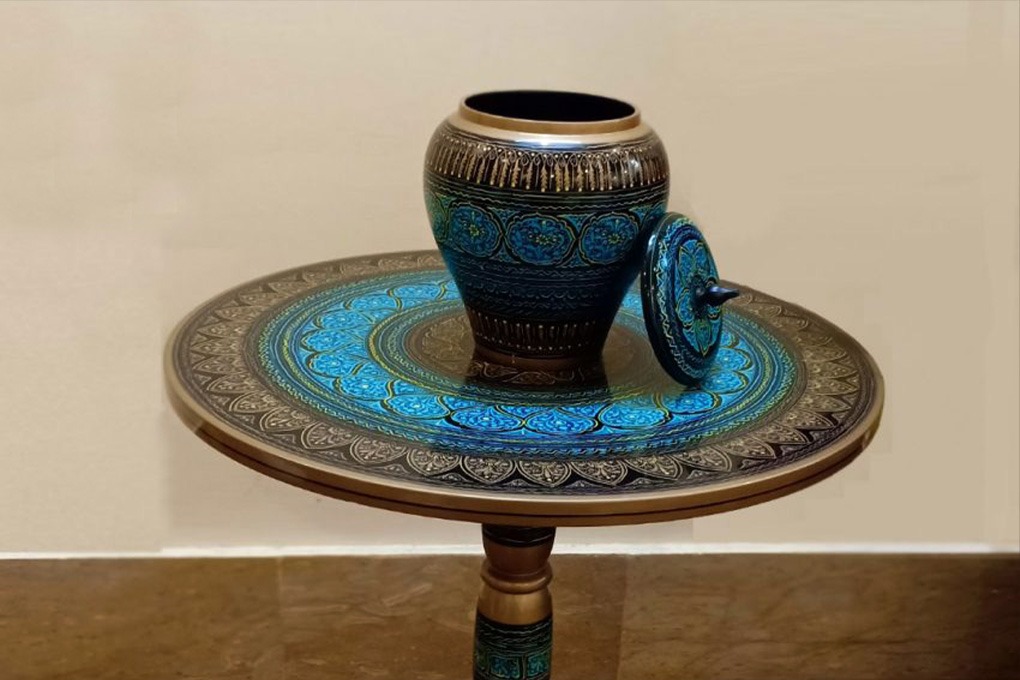
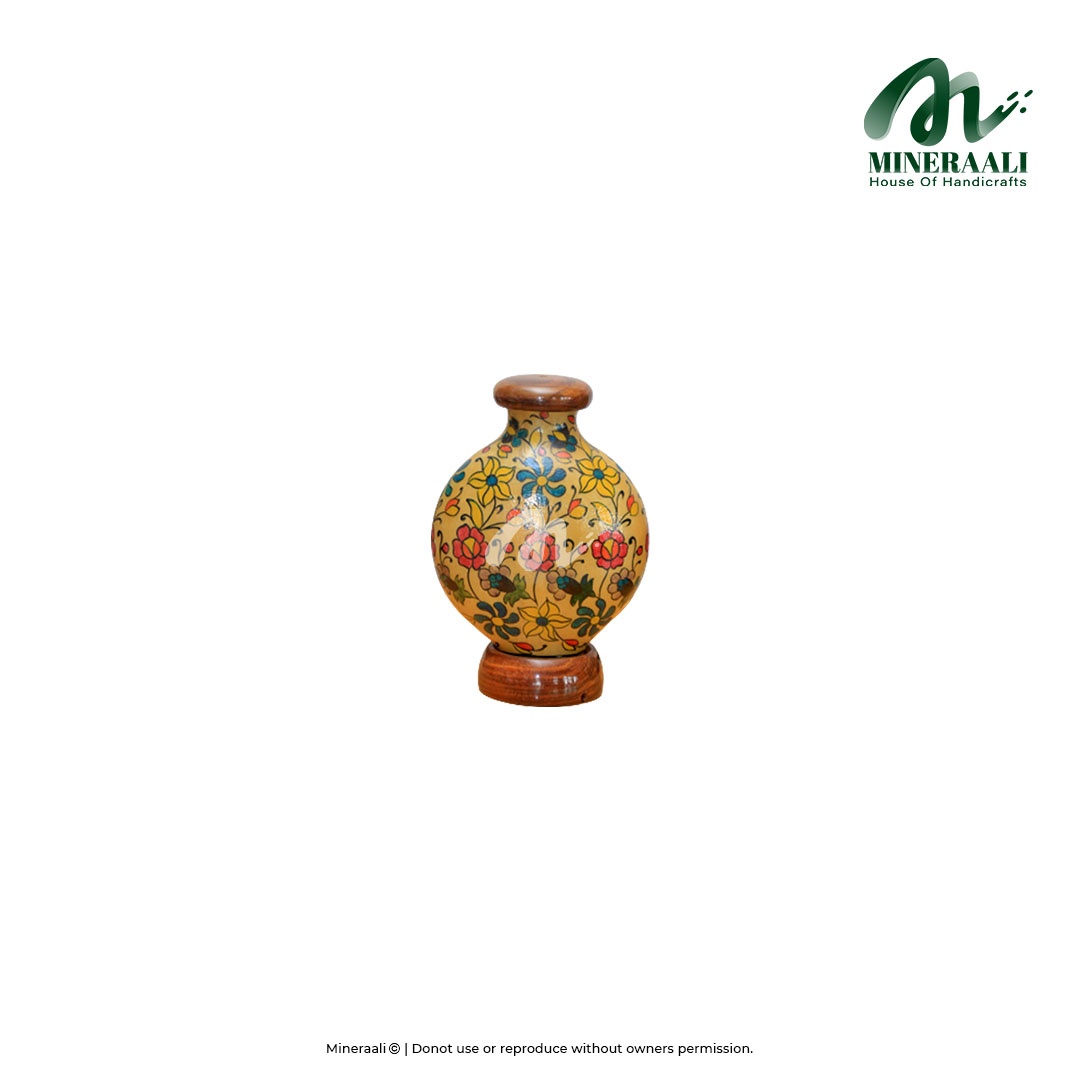
The Camel Skin Yellow Flowers Pot Lamp offers a different shape and decorative direction. A pot form can suit a setting where you want a rounded silhouette. Comparing the two makes it easier to separate your preference for the painting from your preference for the shape.
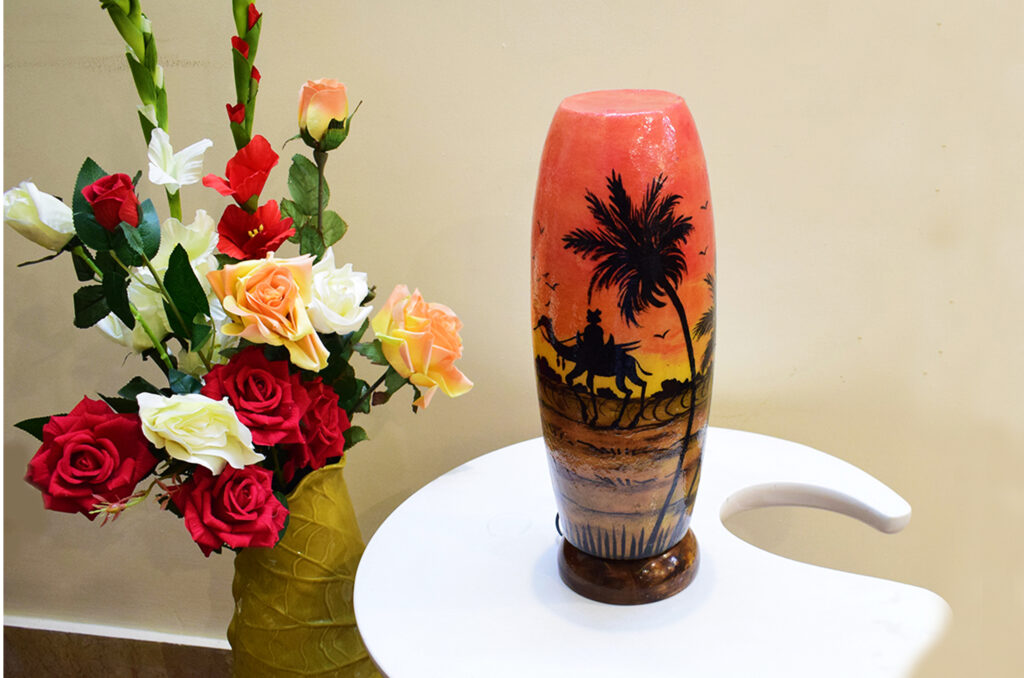
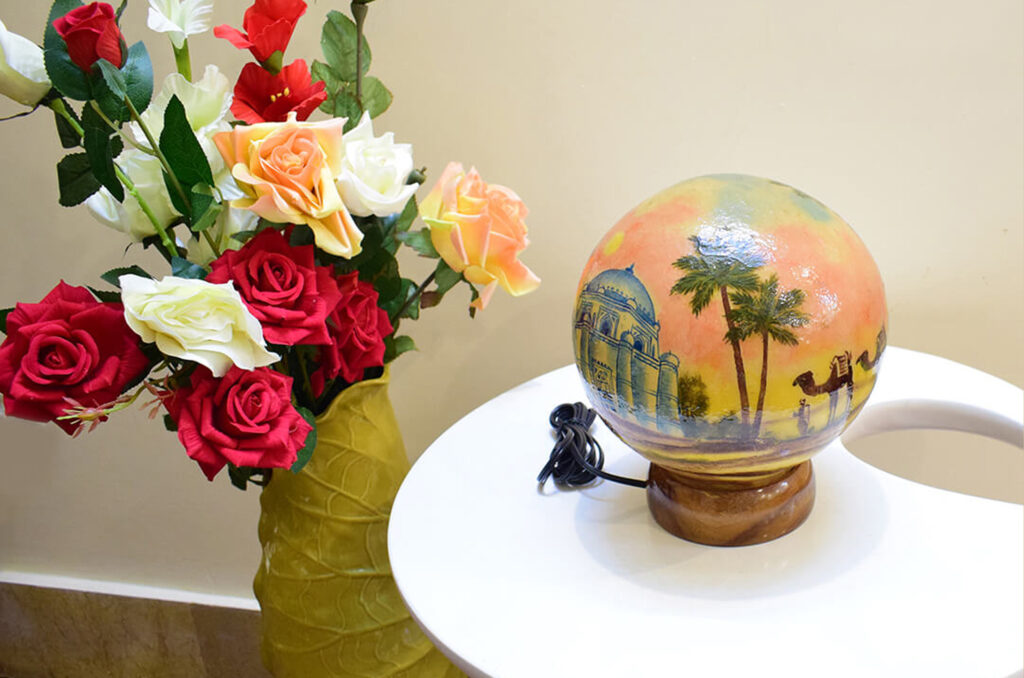
The wider camel skin collection includes several lamp types. Explore the bottle lamps, globe lamps and moon lamps to compare proportions and patterns. Product names help you navigate, while the photographs and dimensions help you narrow the selection.
How the modern world is adopting camel skin lamps
The APP feature describes both traditional and contemporary forms and quotes an artisan saying the lamps have been showcased in 32 countries. That is the artisan’s reported exhibition experience, not a measurement of present global demand. It nevertheless gives a concrete example of this regional craft reaching an international audience.
In a modern home, the practical opportunity is to use a painted lamp as one intentional accent. A neutral wall makes the pattern easier to notice. Simple upholstery or a plain console lets the shape stand out. You do not need to recreate a traditional room to appreciate the object.
For lighting, consider it as part of a layered arrangement. A decorative lamp can contribute atmosphere while another light handles reading or detailed work. Ask about output and the permitted bulb or fitting instead of assuming it will illuminate an entire room.
Digital product catalogues offer another route to adoption. Customers can compare a globe, bottle or vase form before contacting a supplier. Retailers can build a proposed selection around color and size. The technology improves discovery, while the physical work of shaping and painting remains central to the product.
How Mineraali is helping craftsmen
Mineraali gives camel skin lamps a dedicated collection and presents different shapes as products customers can compare. That matters for a craft whose production roles are not immediately obvious from the finished lamp. Descriptions and photographs introduce the work to people who may never have visited a workshop in Multan.
The company describes its broader approach as bringing generational craftsmanship together with design development. Its catalogue and combined quote process create a practical route for interest to become a defined enquiry. Buyers choose available options and quantities, then discuss pricing and availability with the team.
When those conversations lead to completed orders, they can help maintain demand for shaped and painted craft work. By helping the products reach customers and explaining how to request them, Mineraali creates a connection between a regional tradition and practical buying decisions. The craftsmanship remains part of the story even as discovery moves online.
Choosing and caring for a camel skin lamp
- Measure the display surface and compare the lamp’s listed dimensions.
- Check the design in daylight and ask for an illuminated view if needed.
- Confirm the fitting, voltage, plug and permitted light source for your destination.
- Follow the supplied instructions for cleaning and electrical use.
- Keep the painted shade away from splashes and do not soak it or apply solvents.
- Unplug the lamp before handling its fitting and lift it by a suitable supporting part.
If you are selecting several lamps, explain whether you want a coordinated group or a varied assortment. Ask how much variation to expect in the painting. That conversation helps avoid treating a handmade design as an exact duplicate of one photograph.
Frequently asked questions
Are camel skin lamps vegan?
No. The material is animal-derived. The name should be taken literally when deciding whether the product fits your preferences.
Can I use any bulb inside one?
No. Use only a light source that the supplier confirms is suitable for the lamp and fitting. Ask about the recommended specification before use.
How can I request a selection from Mineraali?
Open the product pages, choose the available sizes and quantities and add them to your list. Submit the combined selection through Mineraali’s request a quote page. You are requesting pricing and availability, with no online payment at that stage.
Sources and references
- Trade Development Authority of Pakistan: Multan District craft profile
- Associated Press of Pakistan: Cultural Elegance, camel skin lamps illuminating homes worldwide
- Asia InCH: Camel Leather Craft of Pakistan
- Mineraali: About Us
Sources reviewed October 14, 2026. Statistics retain the reporting periods stated above. Product photographs are from the Mineraali catalogue.
